

Shooting a 35mm “pocket camera” loaded with expired Fujifilm Superia 400 using Sunny 16 exposure settings.
For the first time ever, on my way to to hang out with my son and visit a few clients, I flew across country — NY to LA — in the daytime. Staring out my north-facing window at the stunning geography, I realized all those evening and night flights, attempting to watch 2-3 movies and/or sleep a little, as I headed into inevitable jet lag, were a complete mistake! This day flight full of sunlit clouds, sky, mesas, canyons, mountains, and urban landscapes, was glorious!
As the landscapes rolled by, I naturally reached for my iPhone and clicked away, because it was the camera I had with me. Then, I remembered the Rollei 35B “pocket” 35mm film camera I’d packed to test when I arrived in California. In a moment of lunacy, I thought, why not load it up with a roll of film I brought along (expired 24-exposure Fujifilm Superia Premium 400) and snap a few frames along with my digital captures? So I did.
The Camera
The Rollei 35B (aka “B 35”) was an inexpensive, simplified, made-in-Singapore version of the classic Rollei 35, except dials and settings are moved off the front of the camera, to the top or bottom. Some people have complained about this placement of controls, saying they are awkward to use, etc. The 35B came with a sharp, fixed 40mm (slight wide-angle) f3.5 Triotar lens. Here are some detailed reviews I found of the Rollei 35B:
- Analog Cafe (great blog!)
- Jim Grey / Down The Road
- Vintage Photo NL (The Netherlands)
- 35mmc (also mentions the Rollei 110!)
- Casual Photophile (requires monthly subscription to view images)
Rollei 35B Gallery

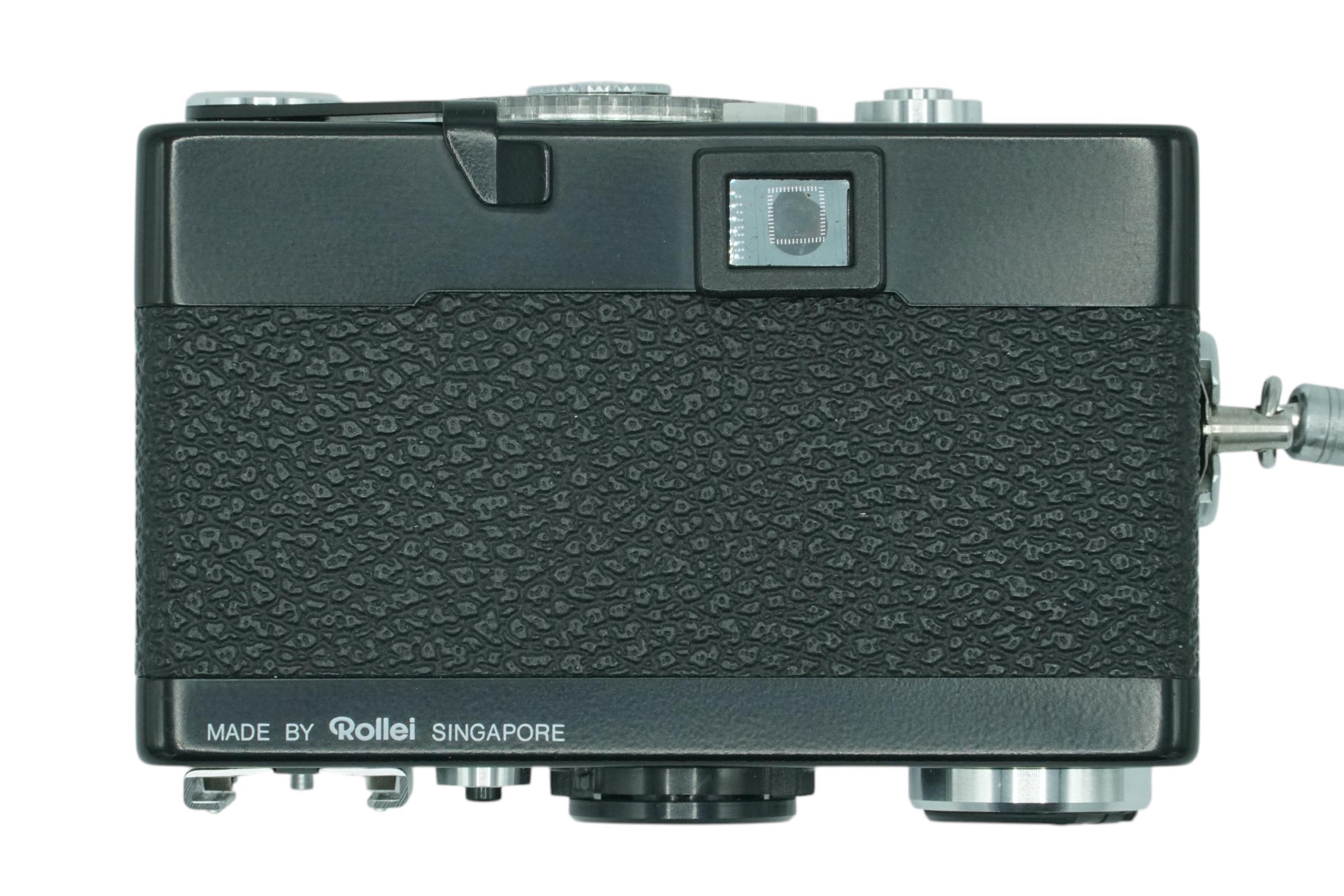

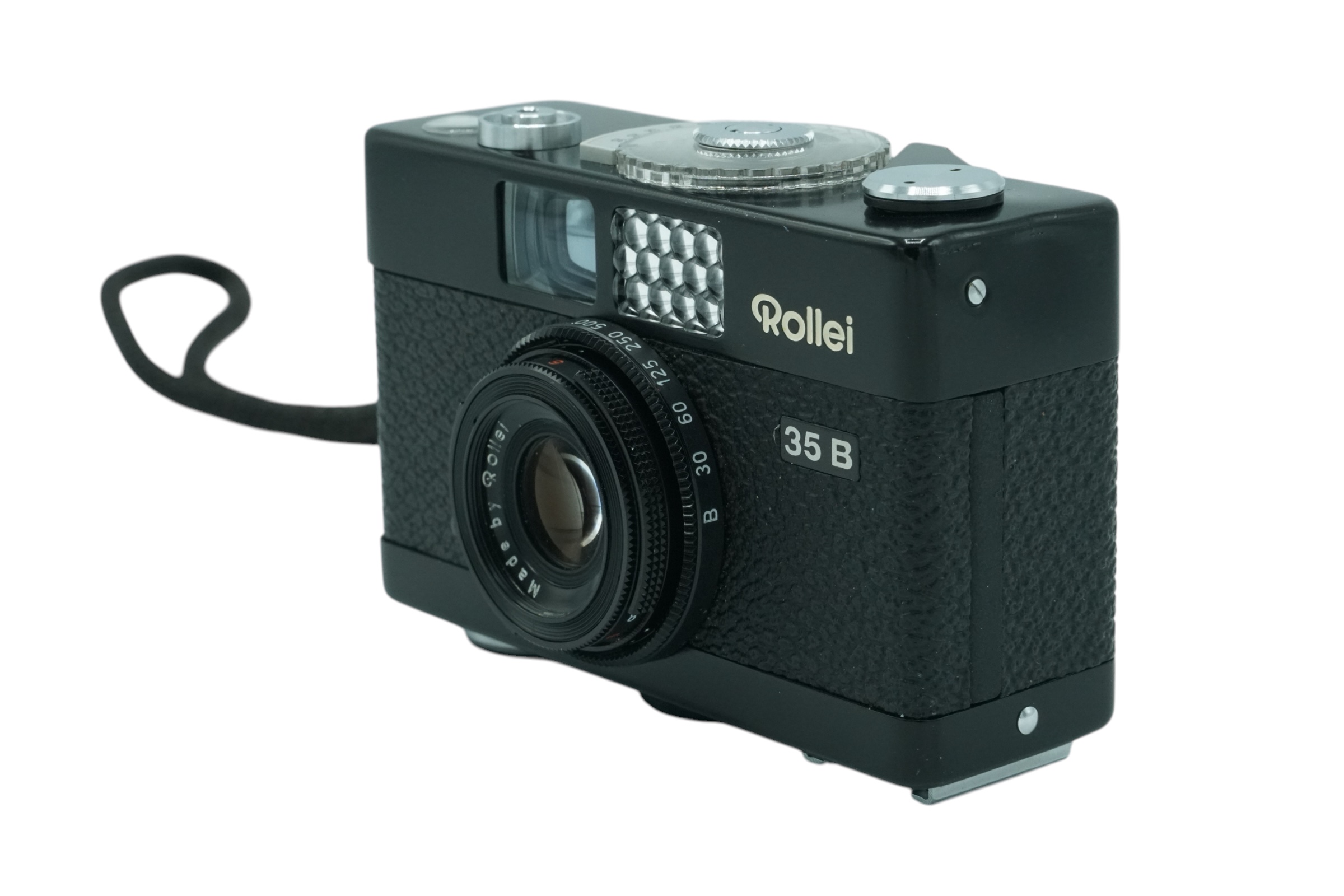
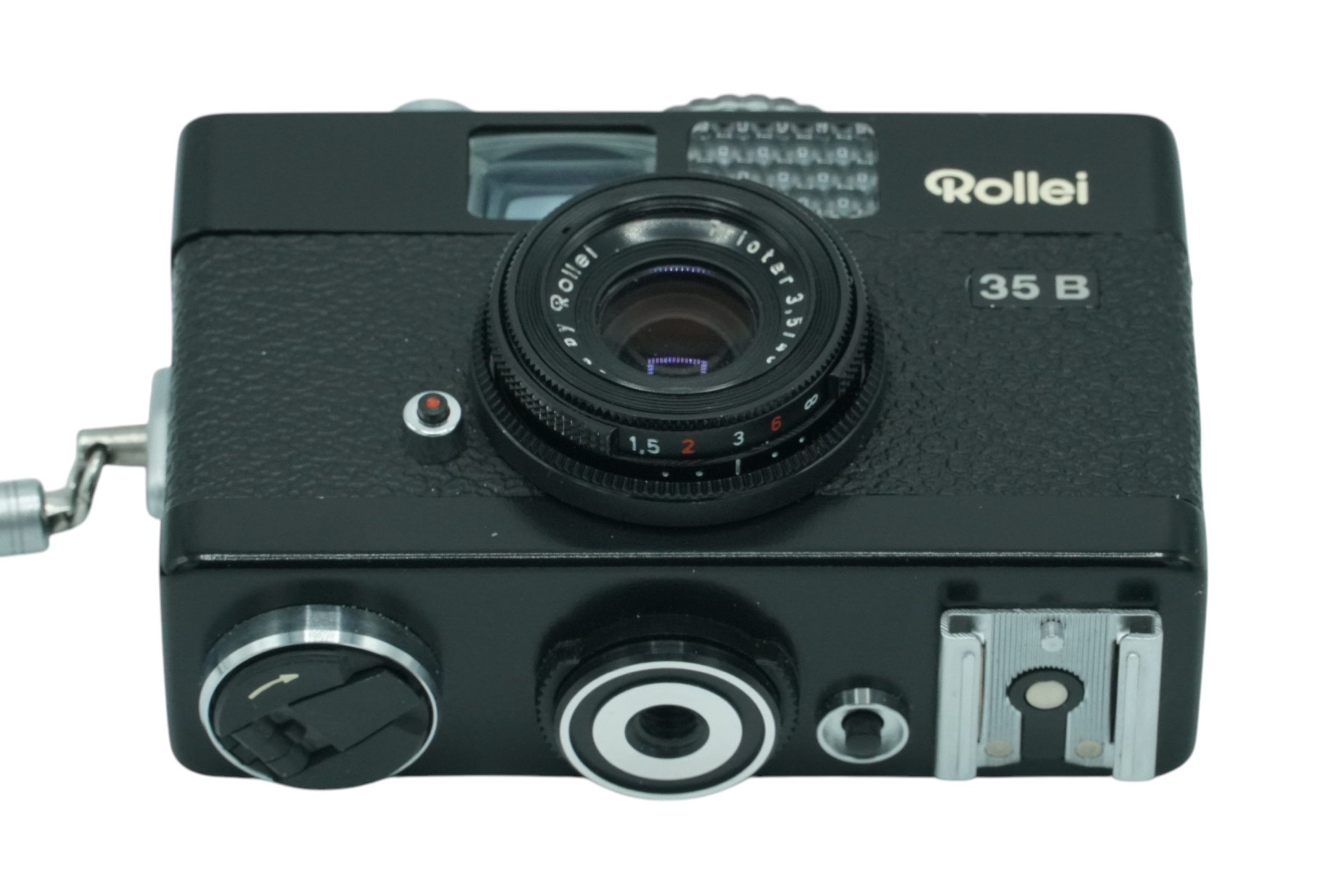
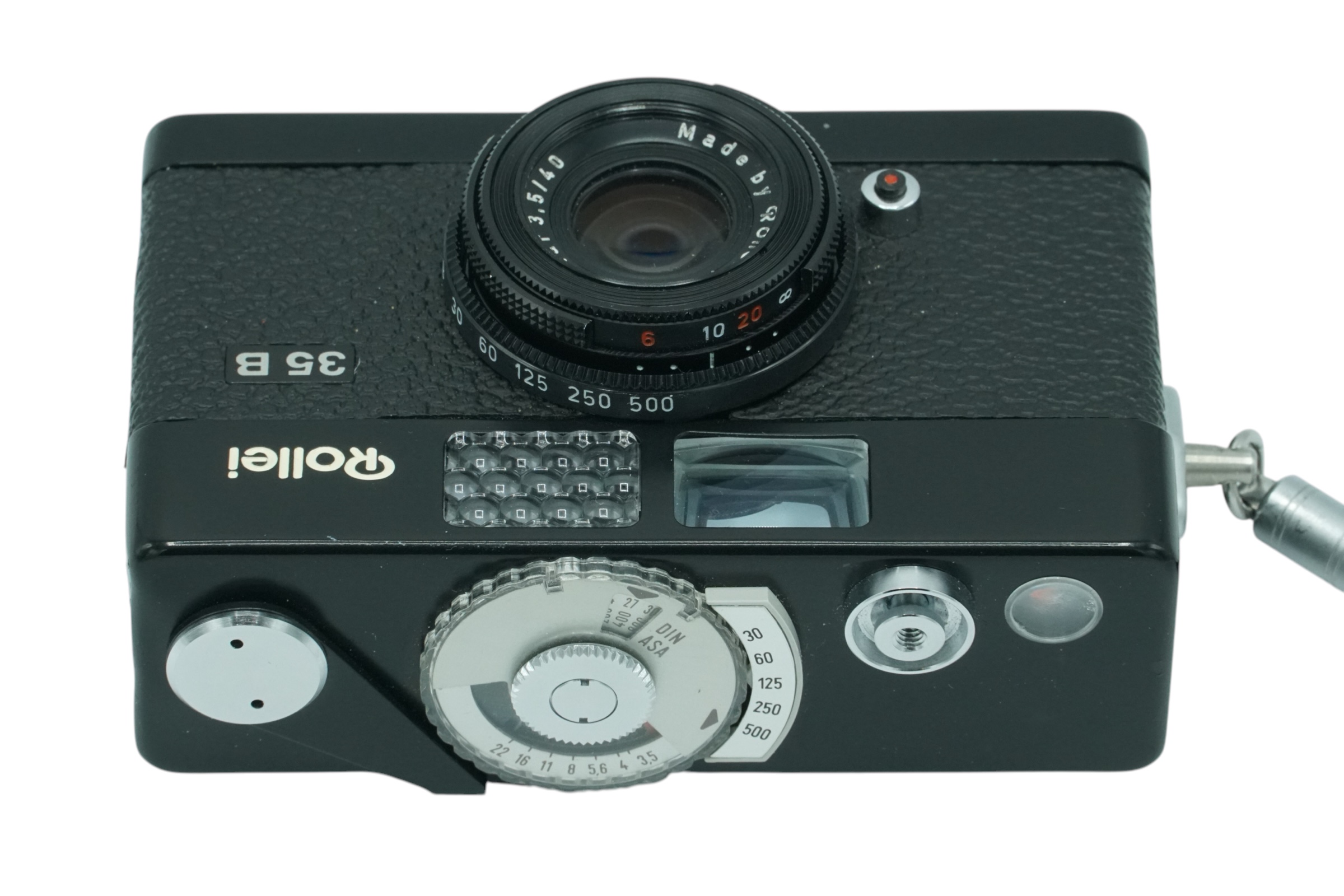
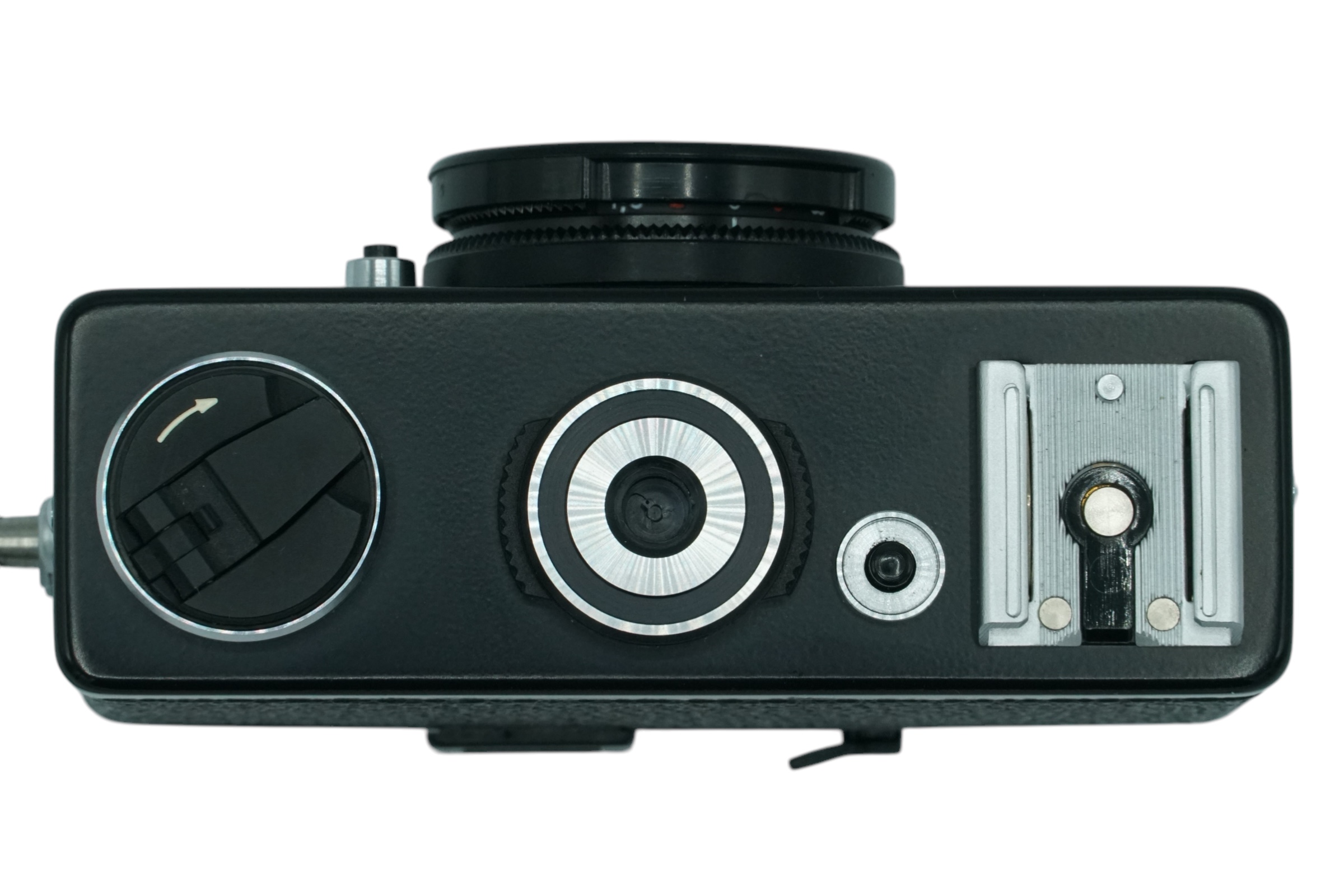
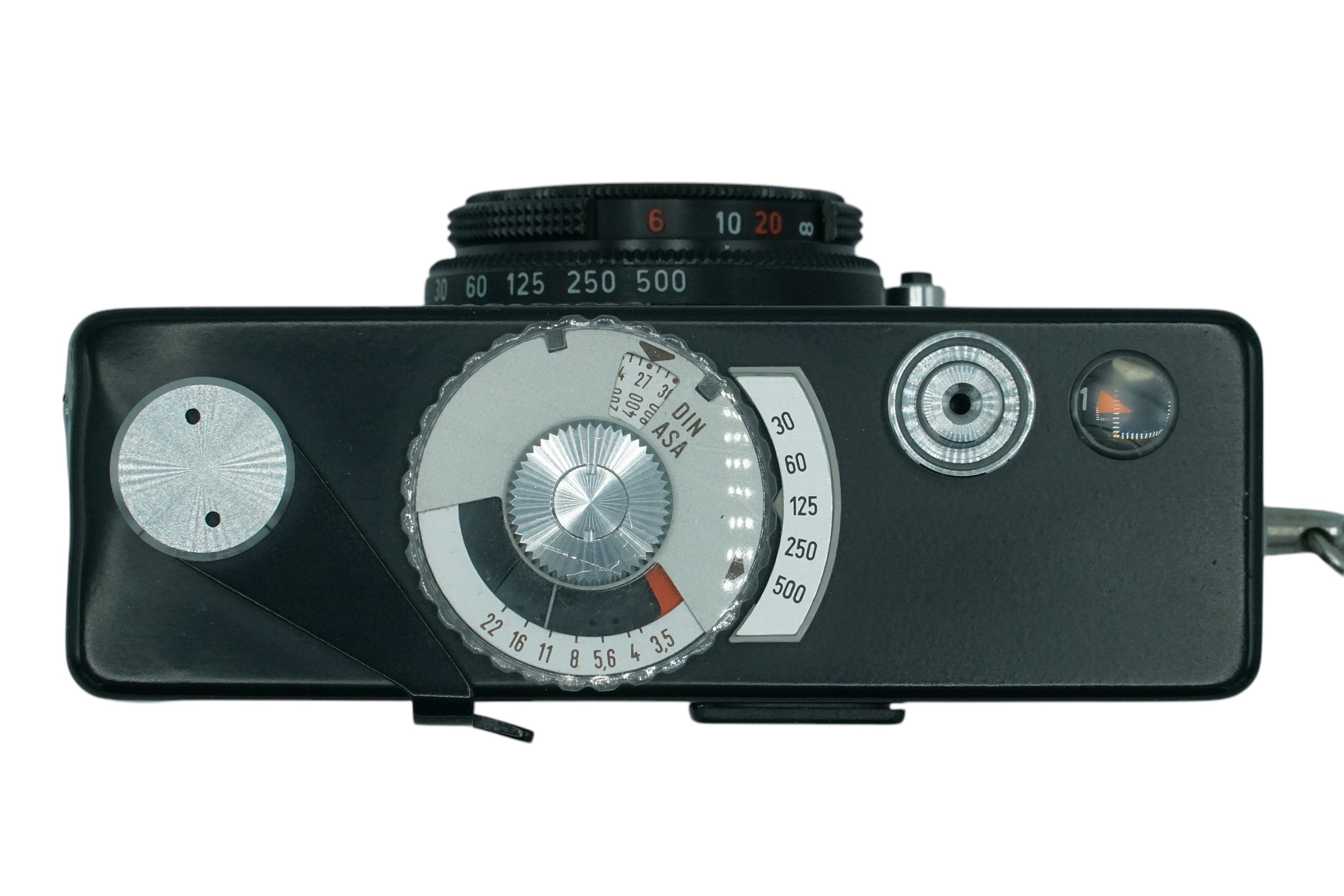
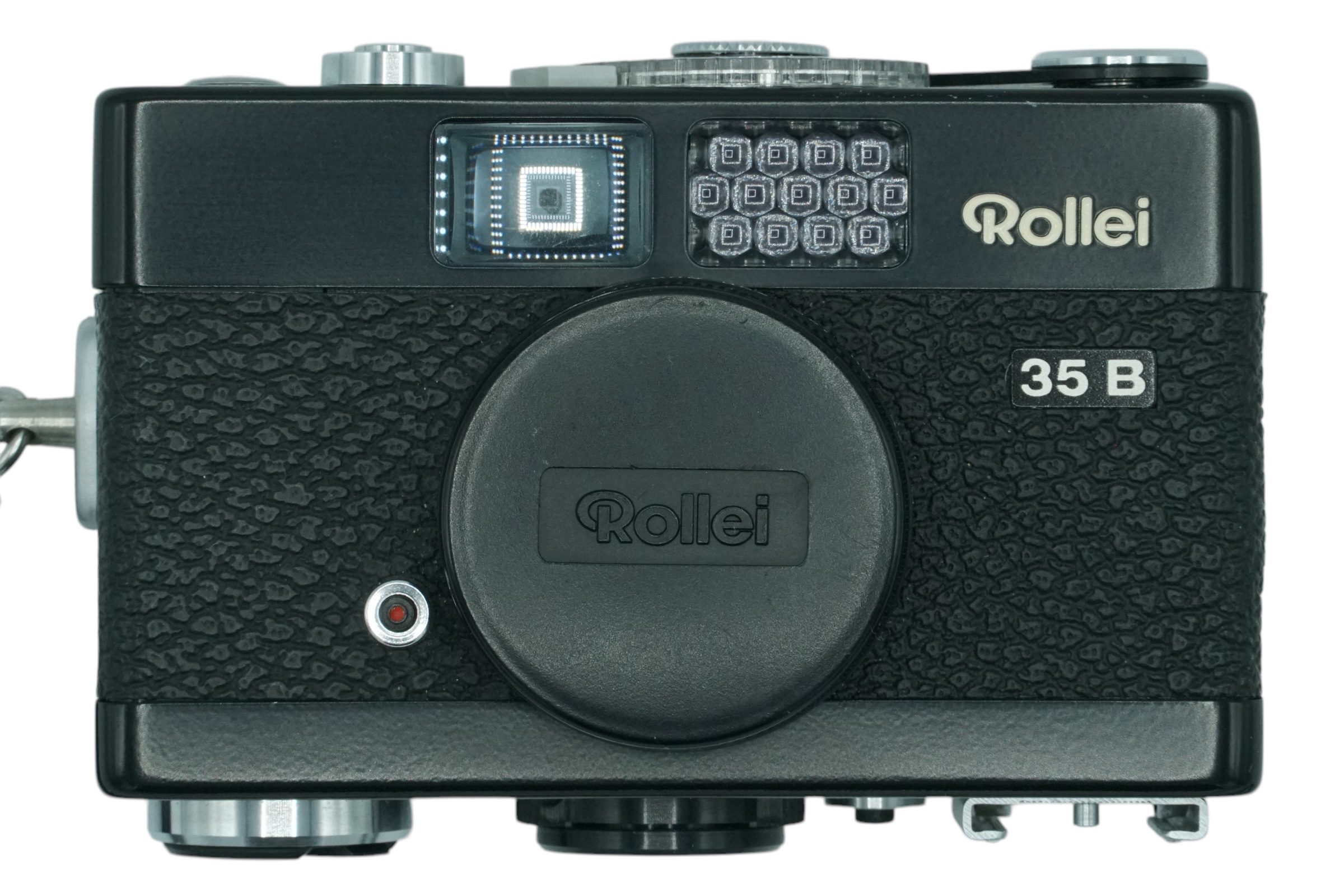
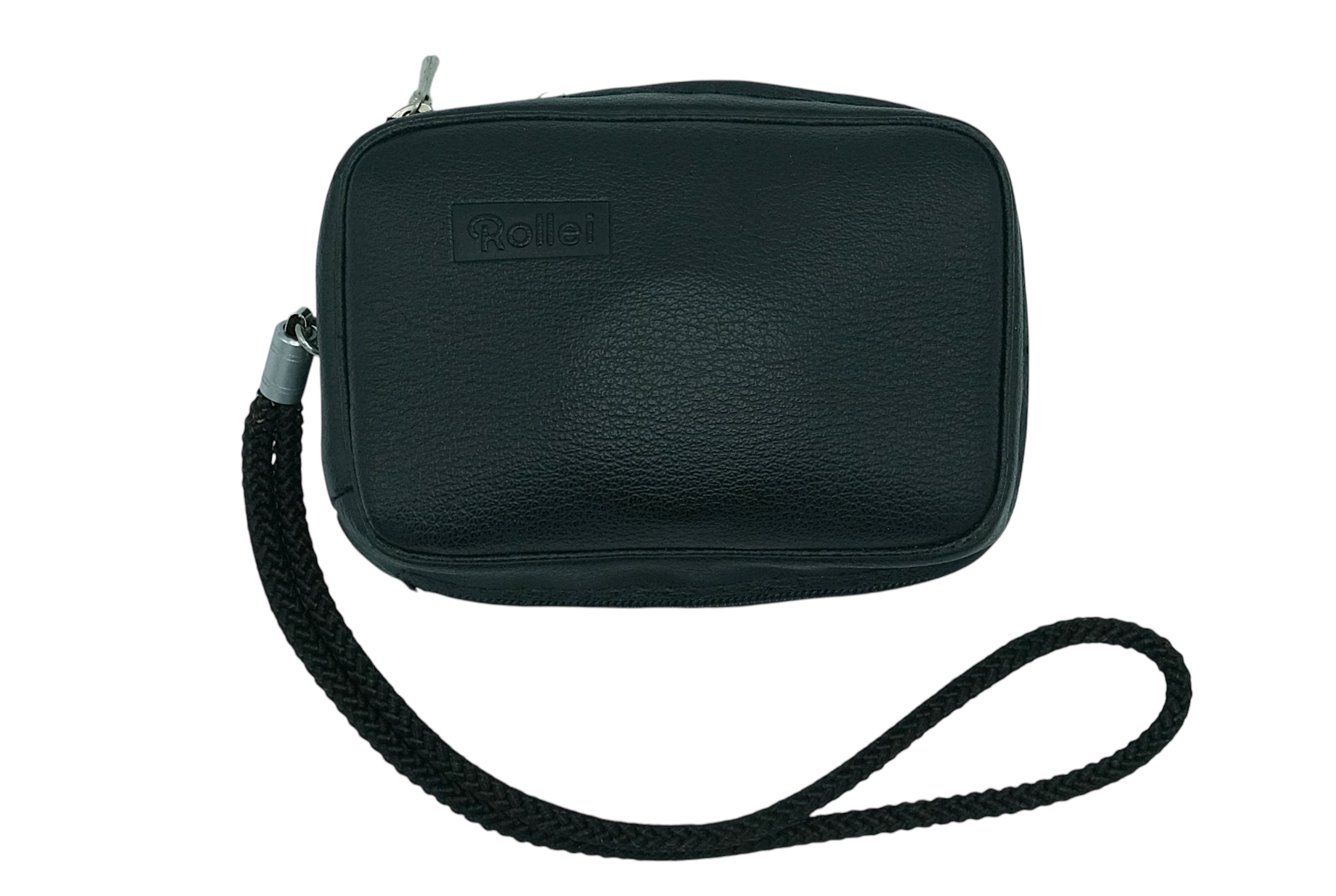
What is Sunny 16?
Since I didn’t have a working light meter in the Rollei 35B — its built-in selenium sensor from 55+ years ago could not be trusted — Sunny 16 or an iPhone light meter app were my only options. I went with Sunny 16, which is a rule for calculating exposures in bright daylight when shooting with a fully manual camera, or one with a broken light meter. From Sunny 16, you can adjust exposures (approximately) for partial-cloudy, overcast, golden hour, and dusk light. A few great articles and posts I found about Sunny 16 photography:
- Wikipedia — The Sunny 16 Rule
- SLR Lounge — Photography Essentials
- Kim Hildebrand — Sunny 16 Photography
- Adam Insights — You Should use Sunny 16
- PetaPixel — Sunny 16 Rule
Camera vs. Subject Matter
From its small, pocketable size, the Rollei 35B was clearly designed for casual and street photography, NOT for shooting aerial landscapes through an airplane window! Nevertheless, I loaded the expired roll of Fujifilm Superia Premium 400 (24-exposure) and clicked away, alternating between the 35B and my iPhone as the stunning aerial views scrolled by…
First Photo on the Roll
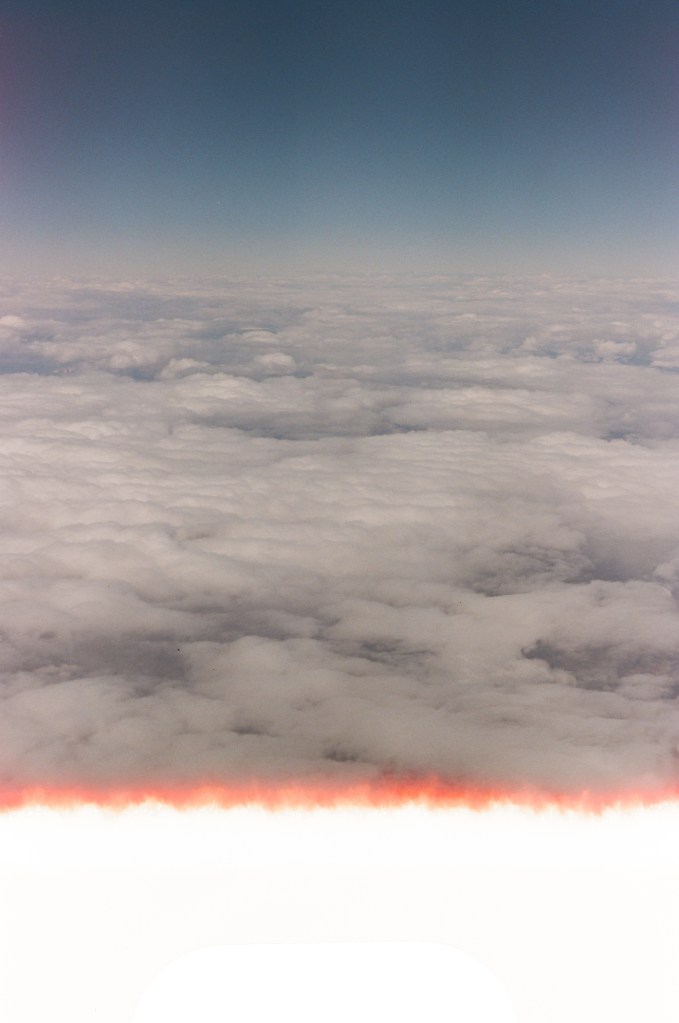
Often, the first shot is an accidental, or partial exposure, with a flash/burn border along one side of the image. I love those burnt-analogue first photos! Here’s my first shot from a roll of Fujifilm Superia in the Rollei 35B:
The Rest of the Roll
Here’s the rest of the roll, in more or less chronological order, as I flew east-to-west at 5-600 mph across the country.
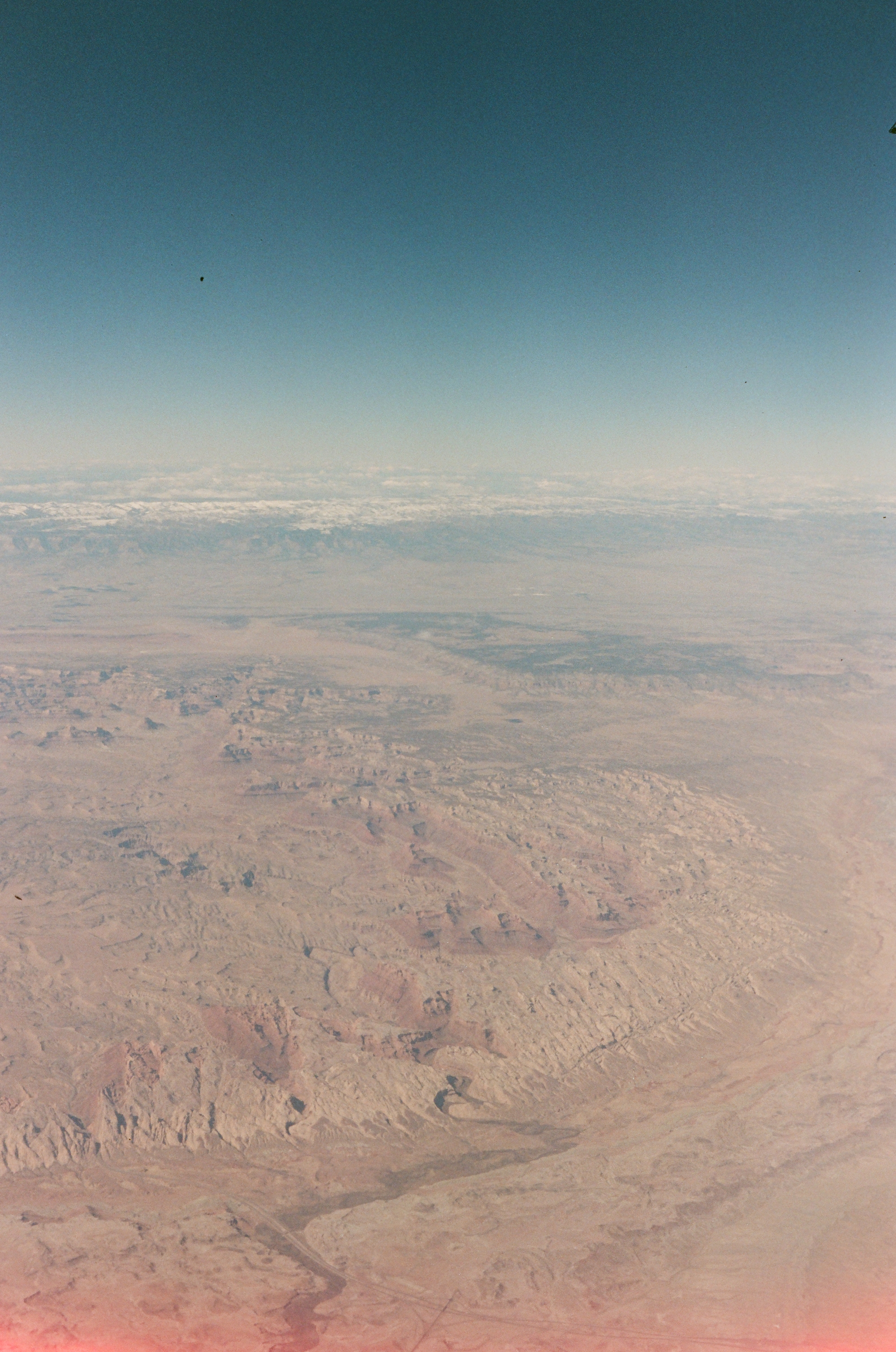
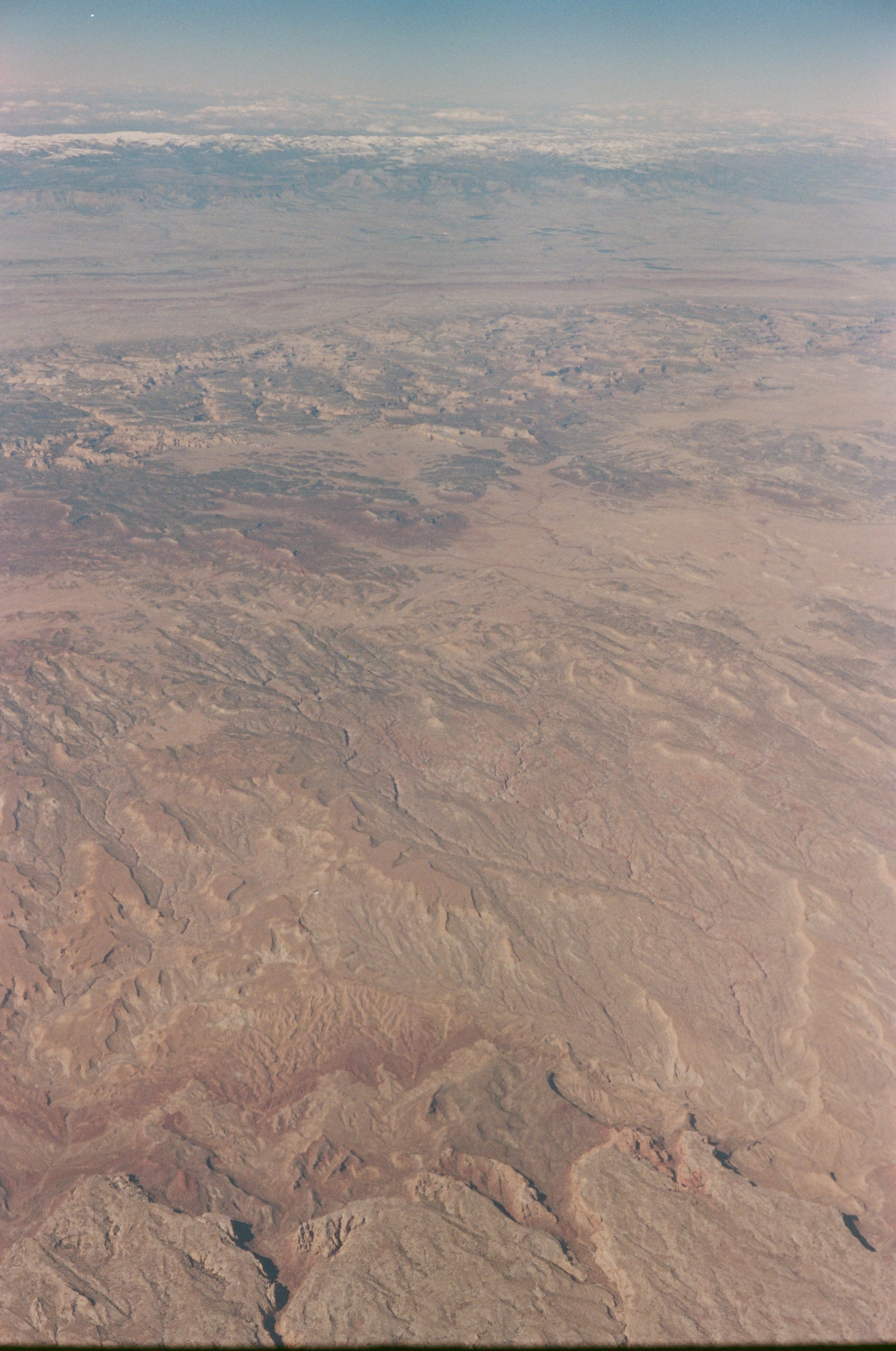
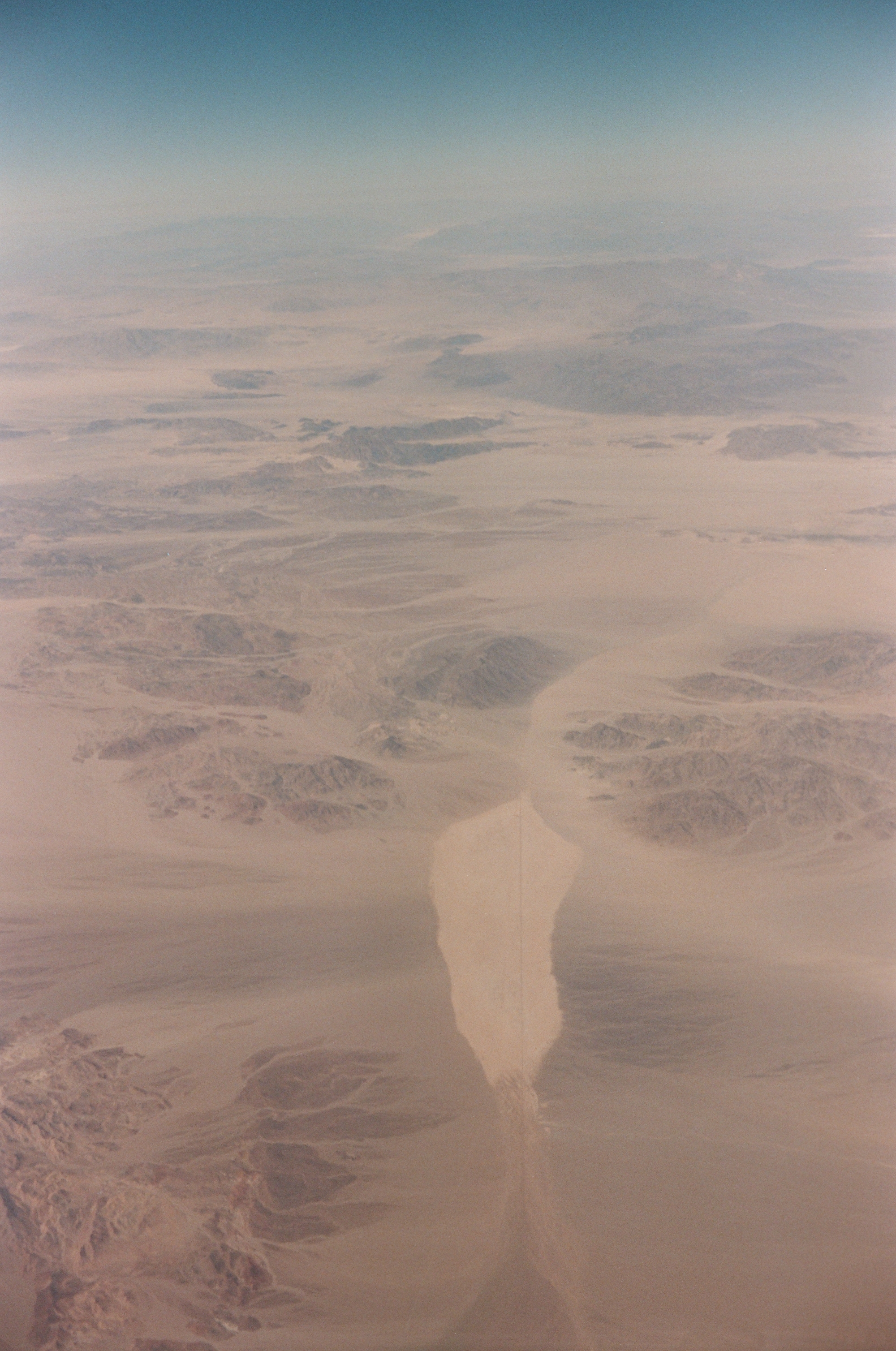
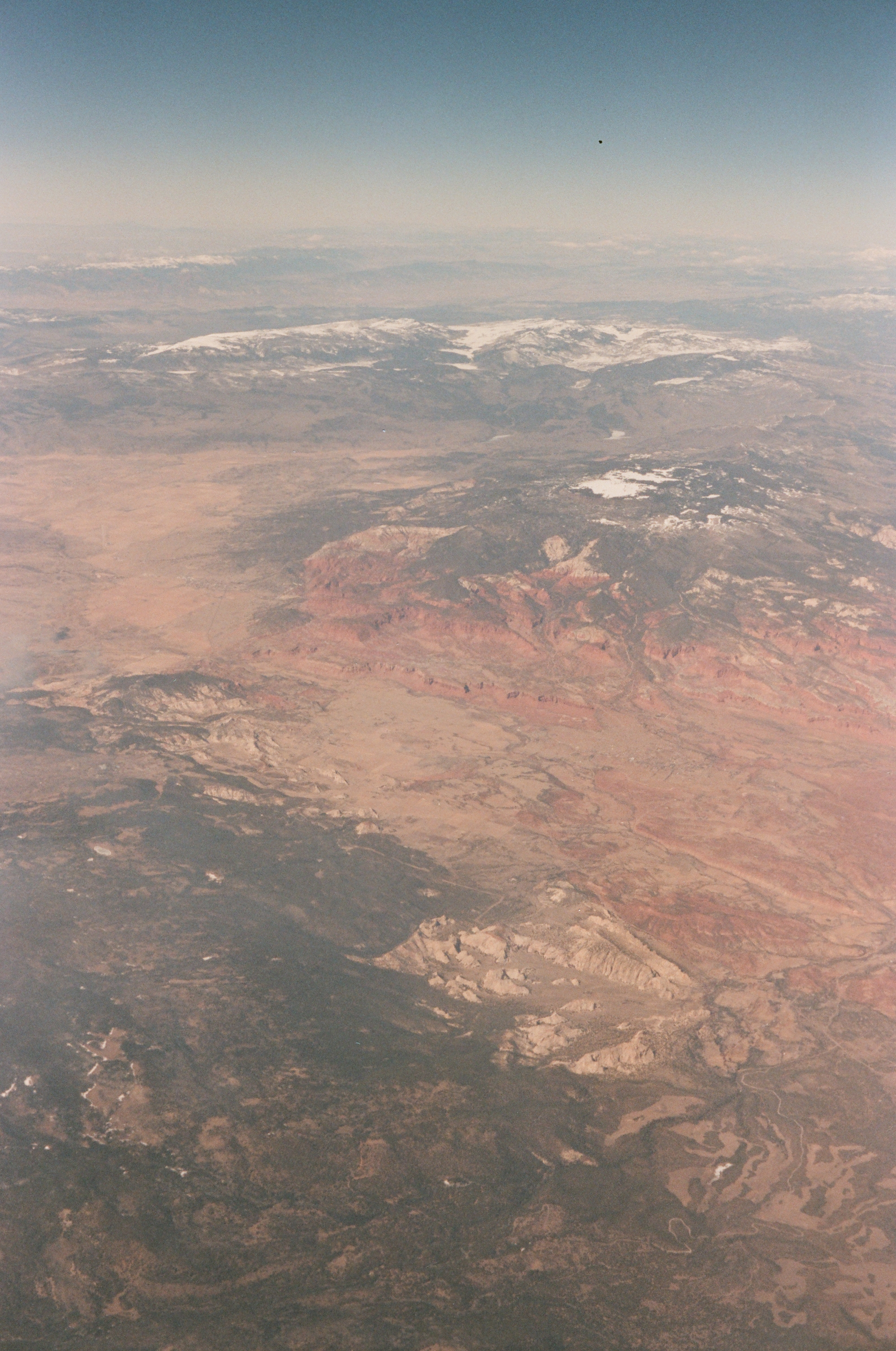
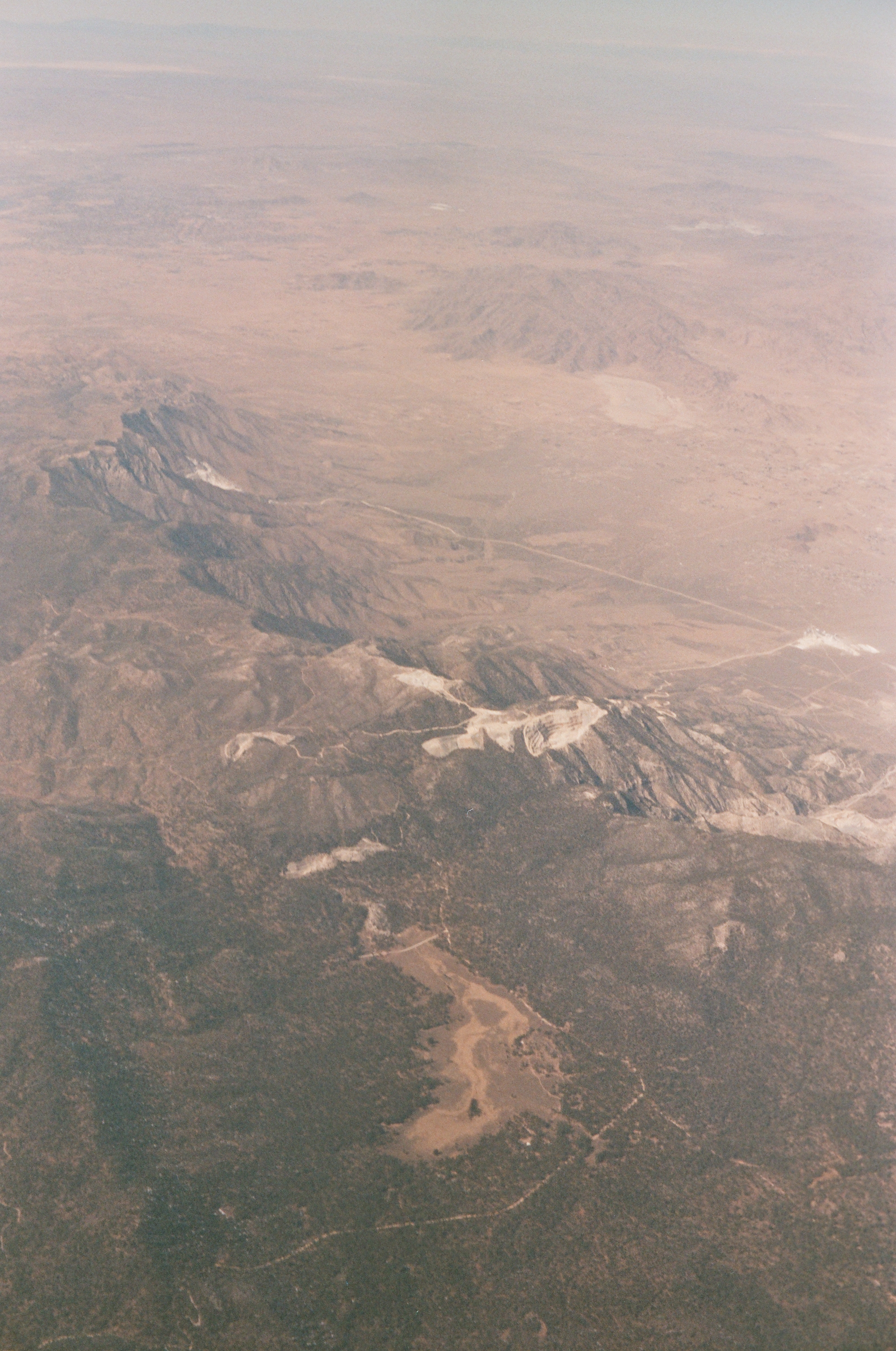
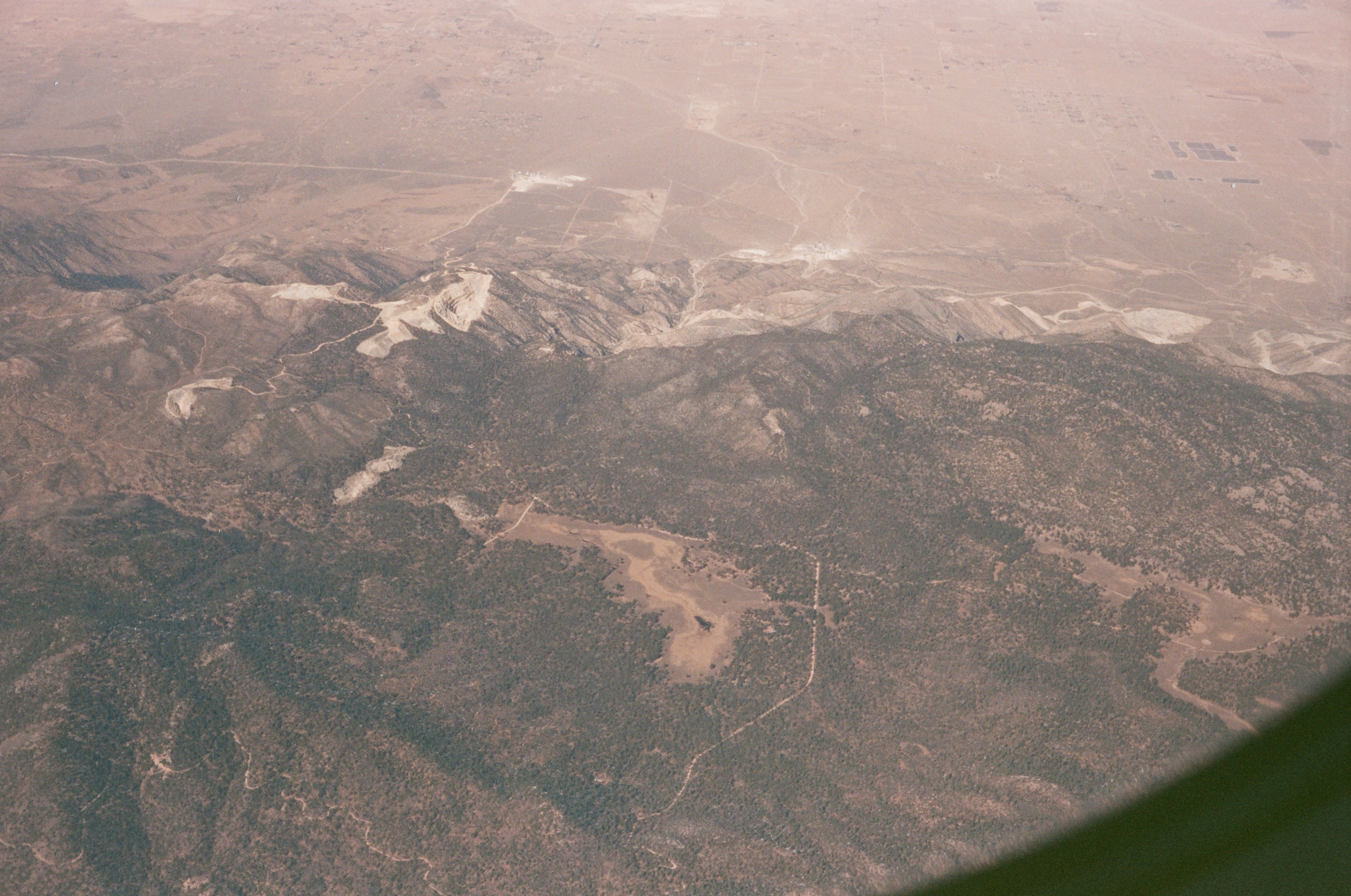
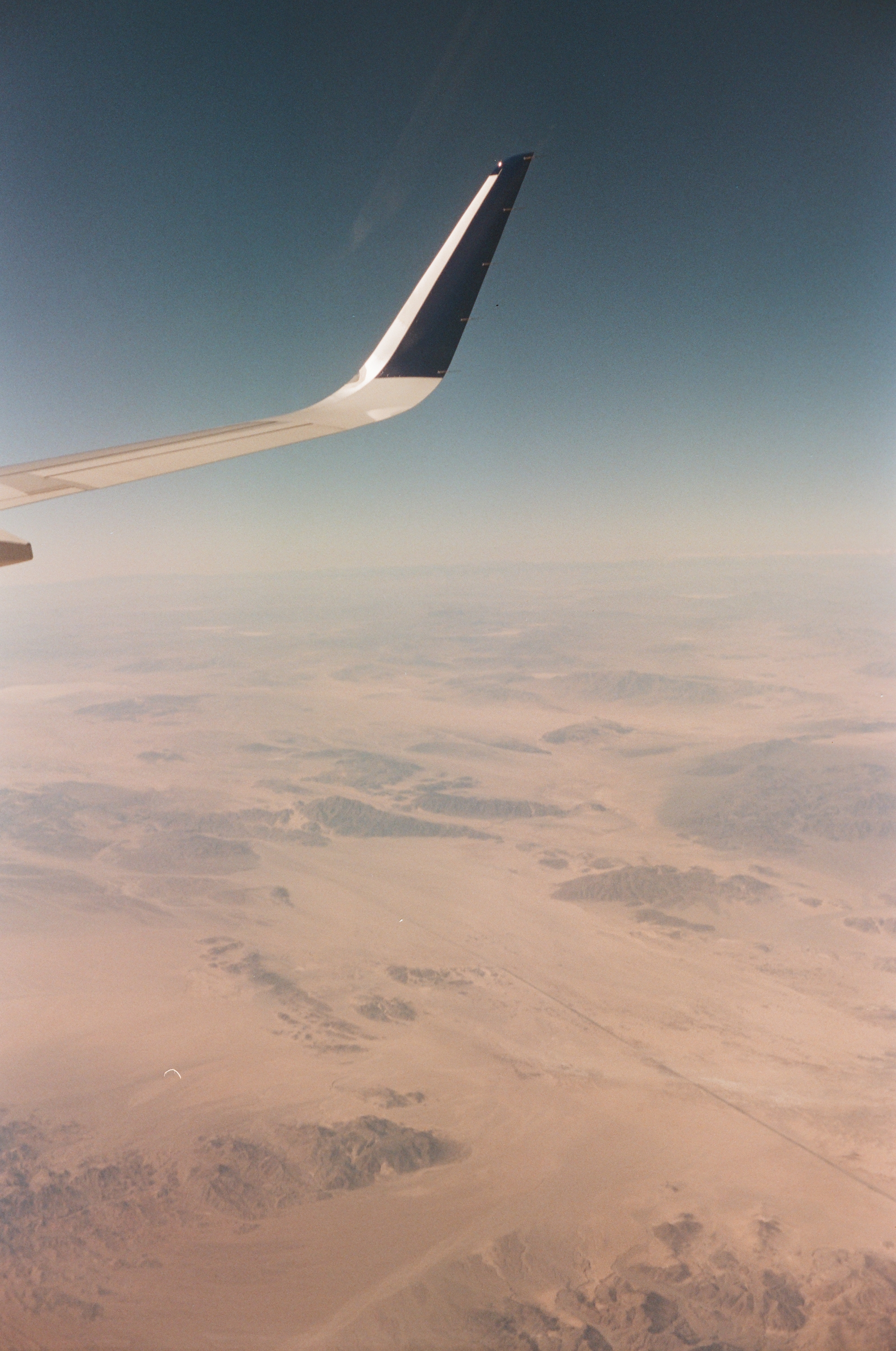
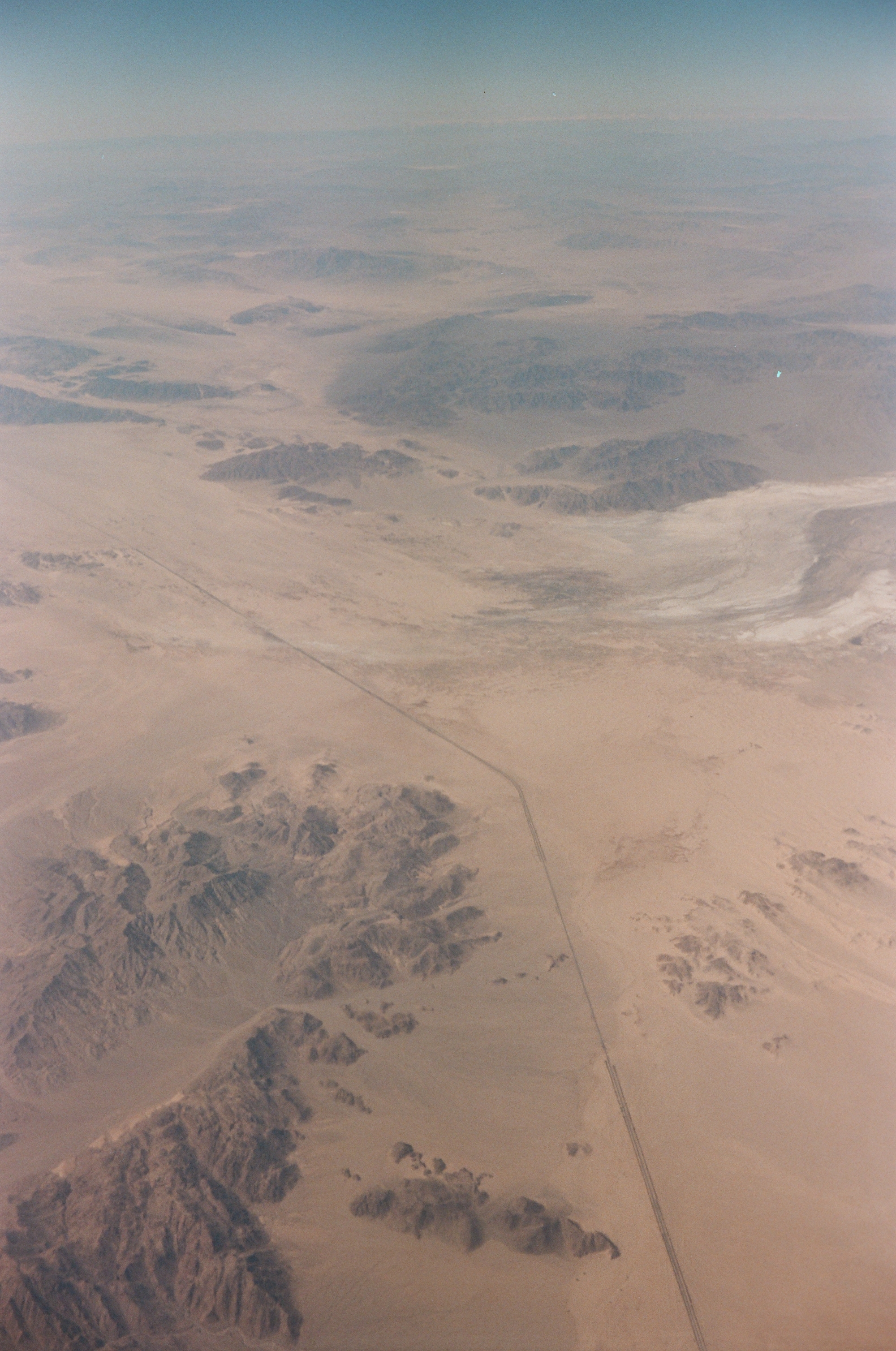
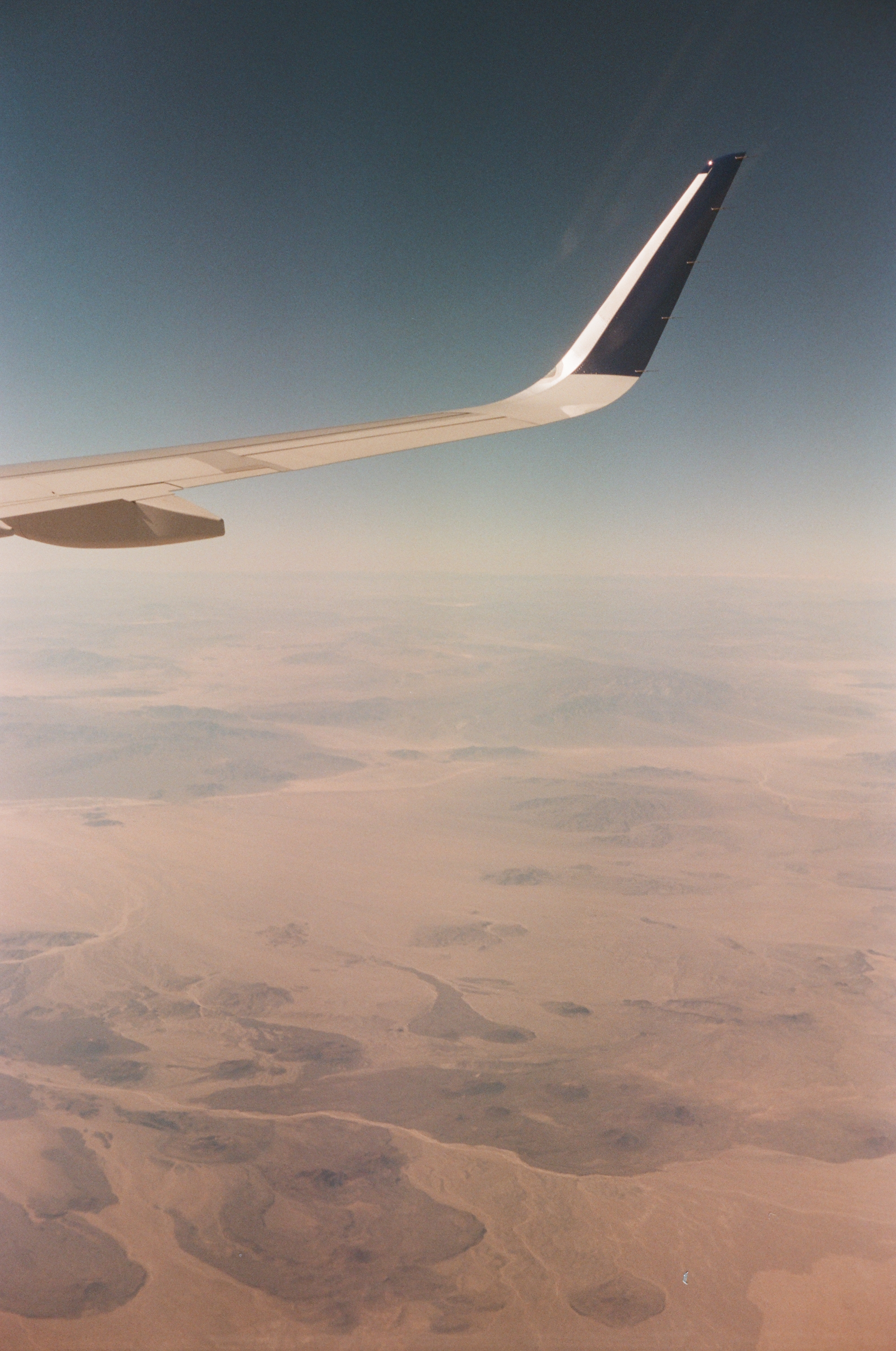
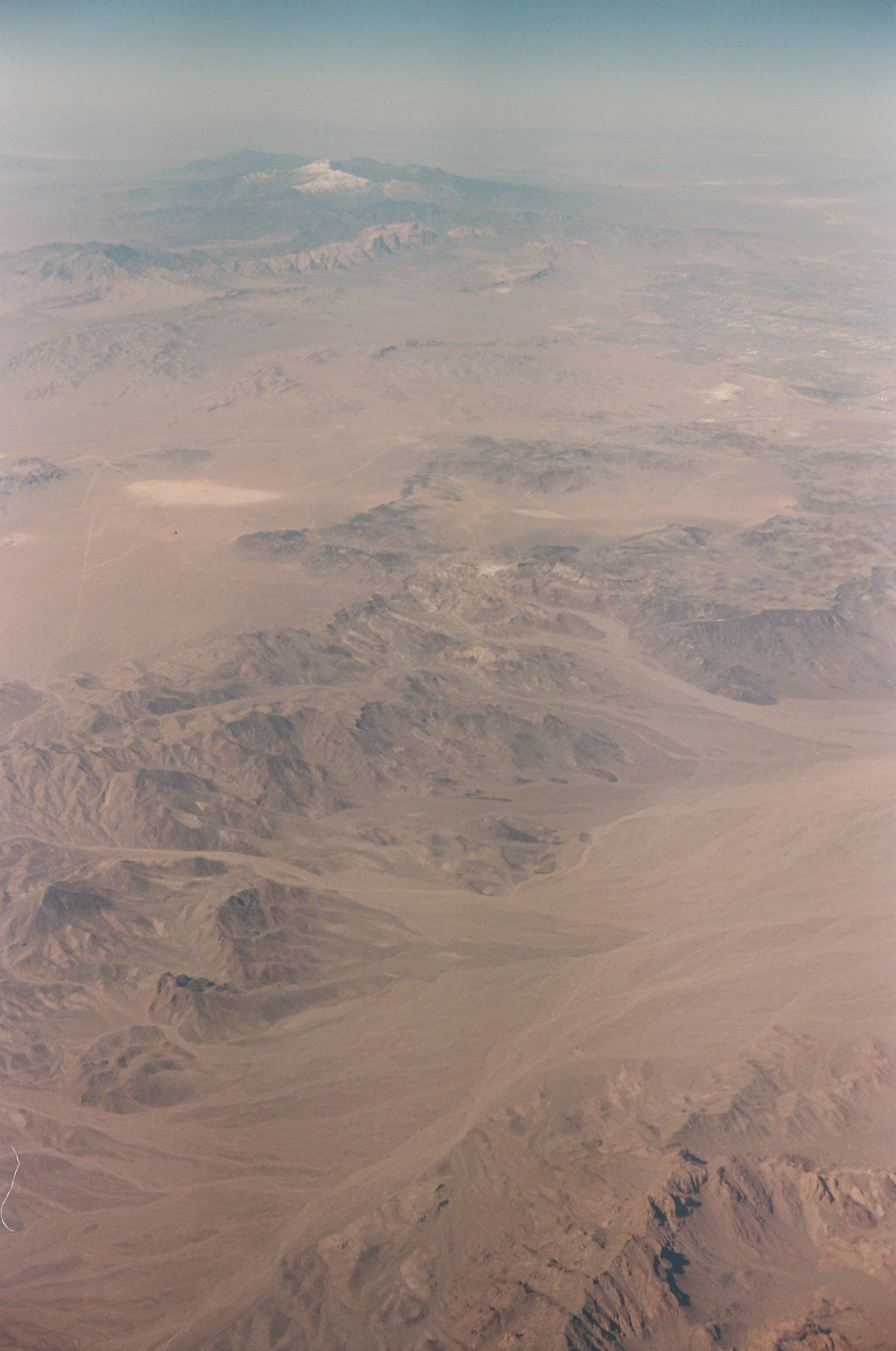
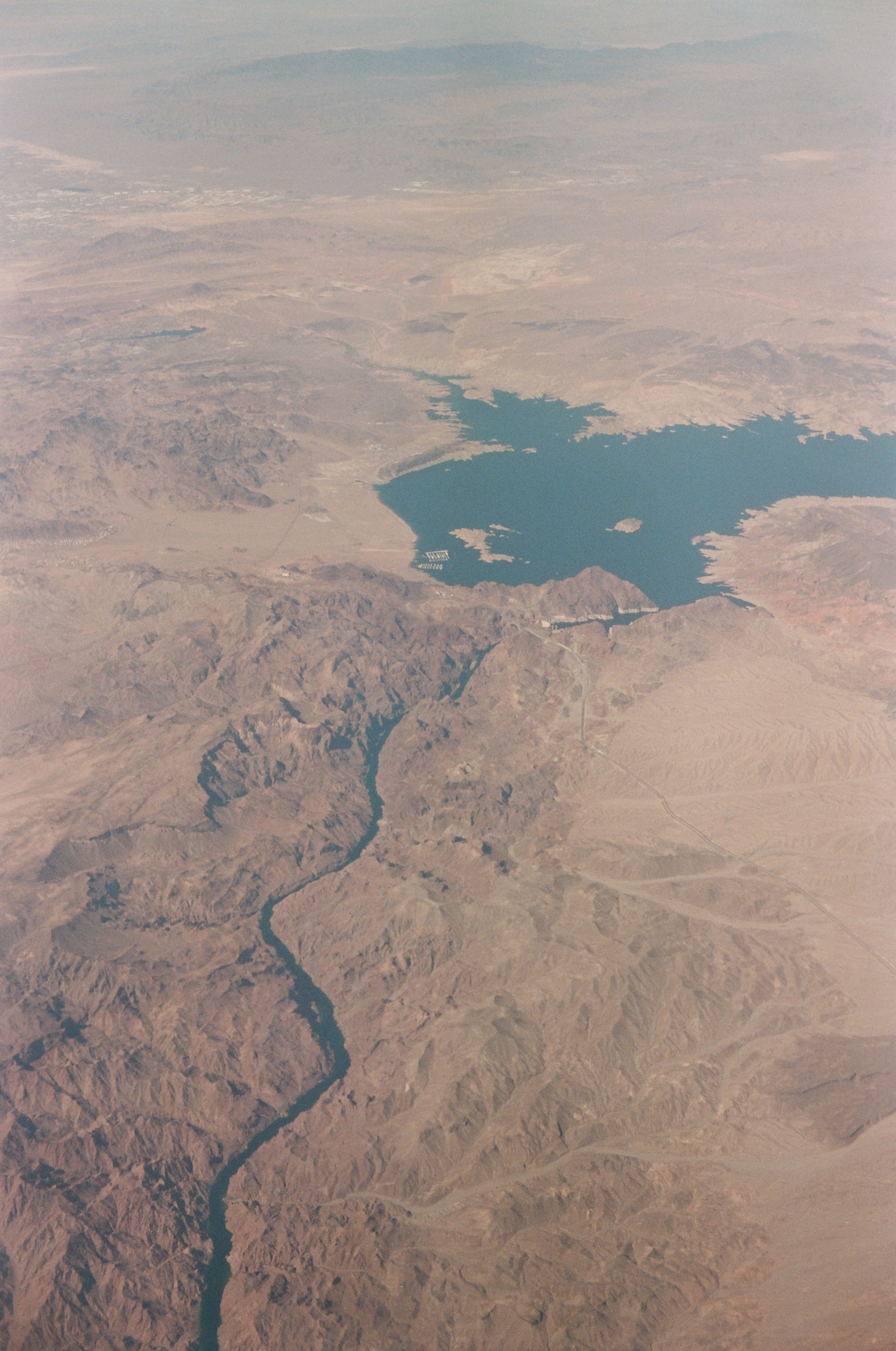
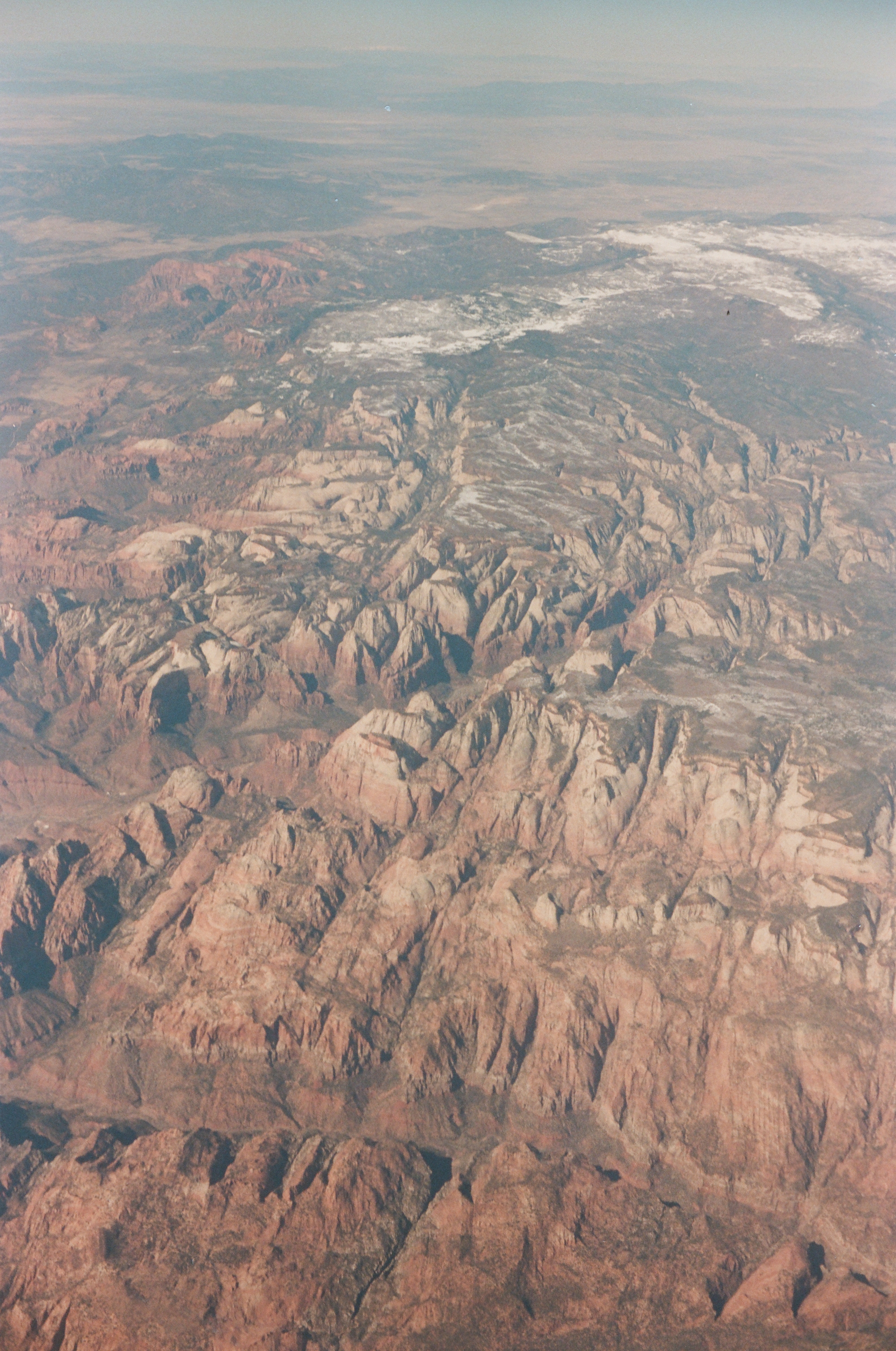
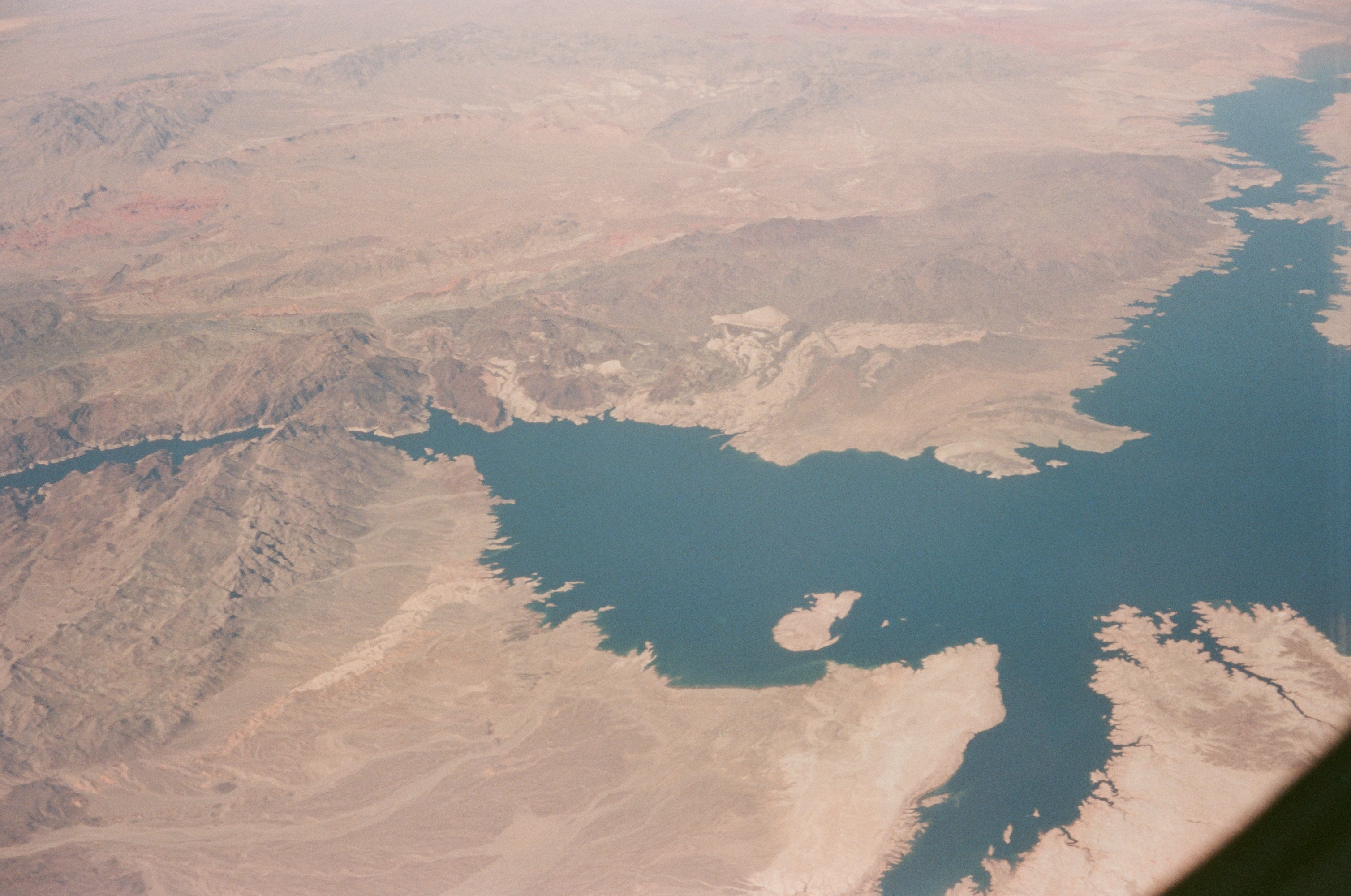
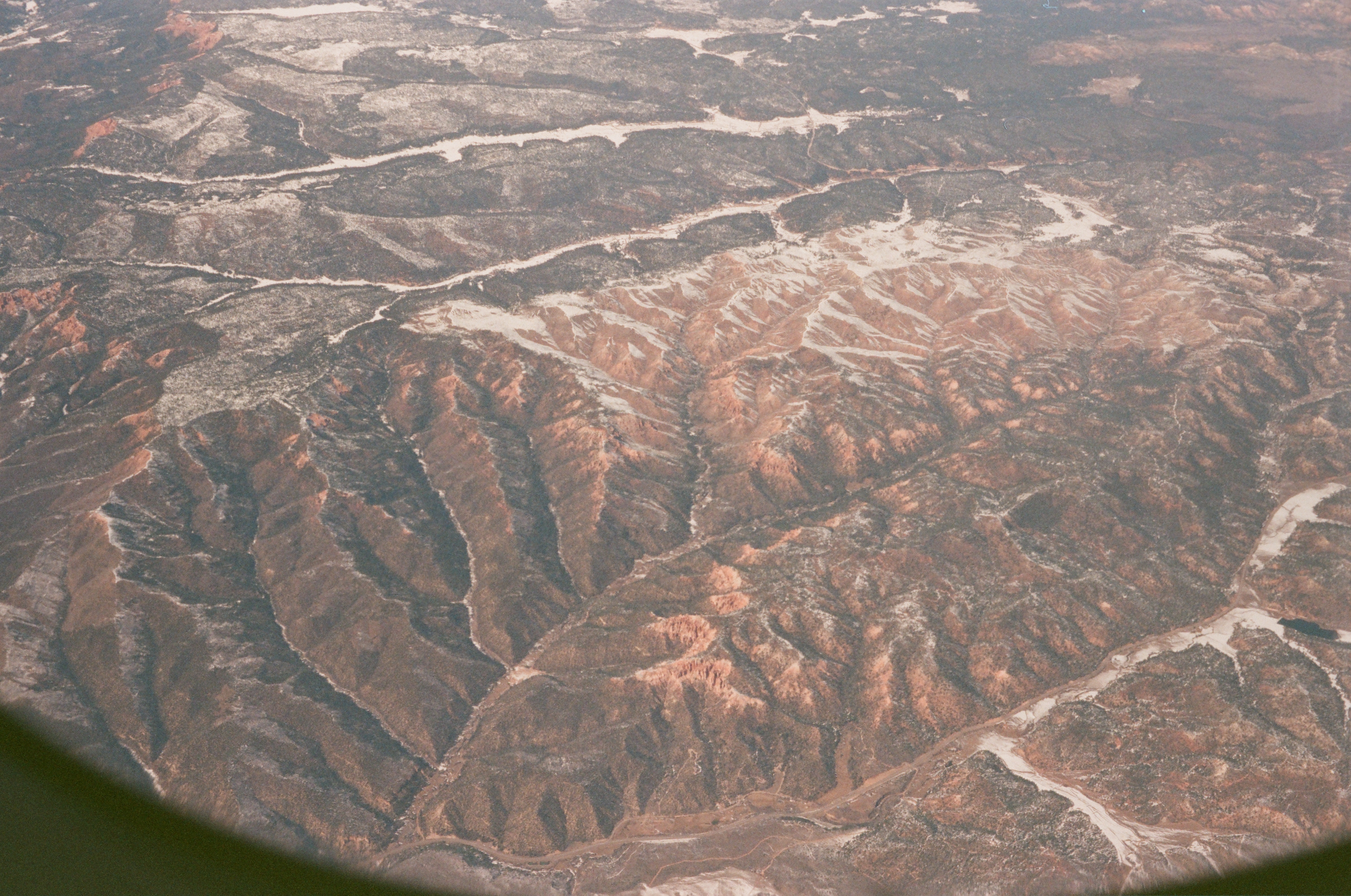
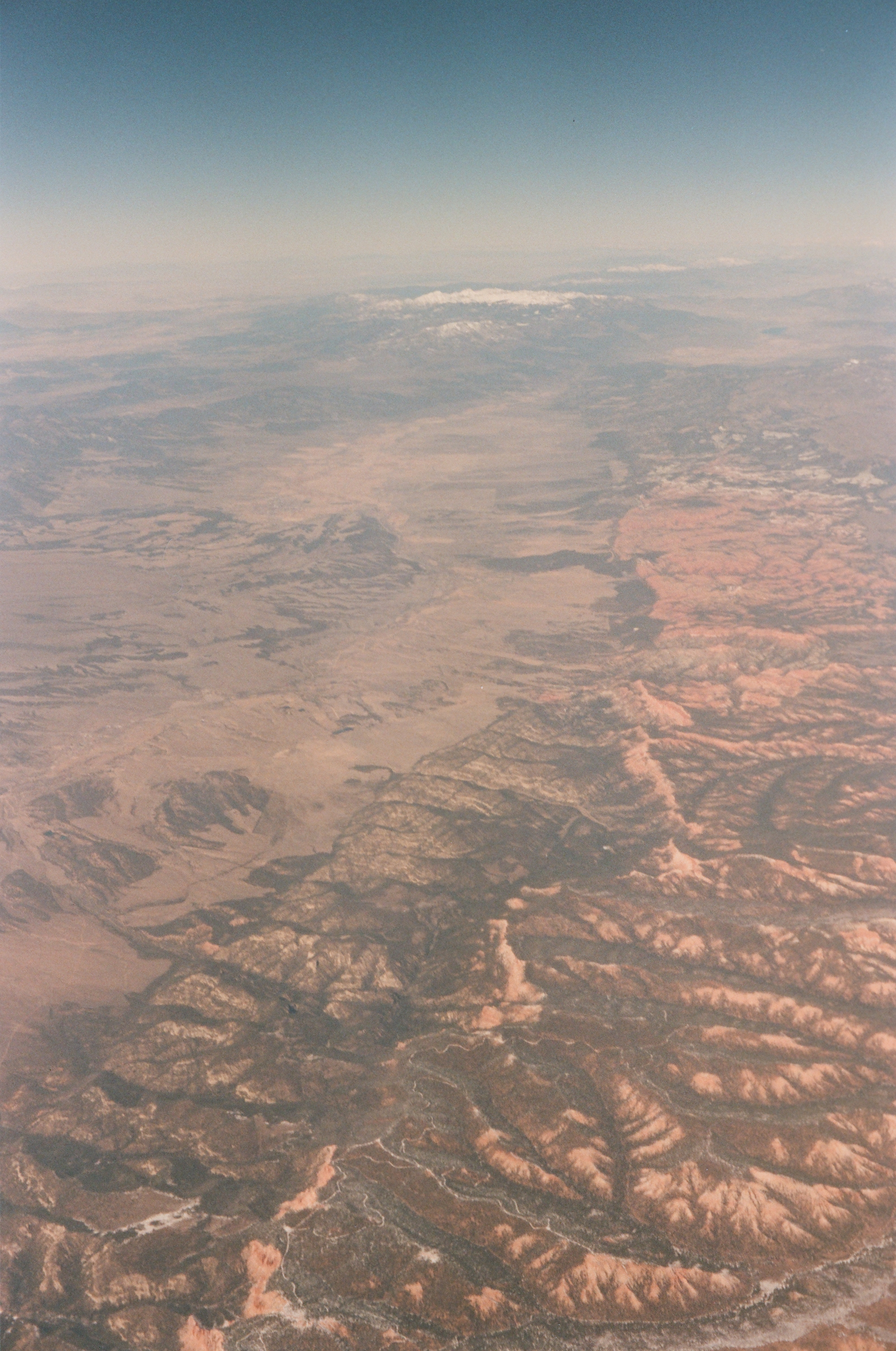
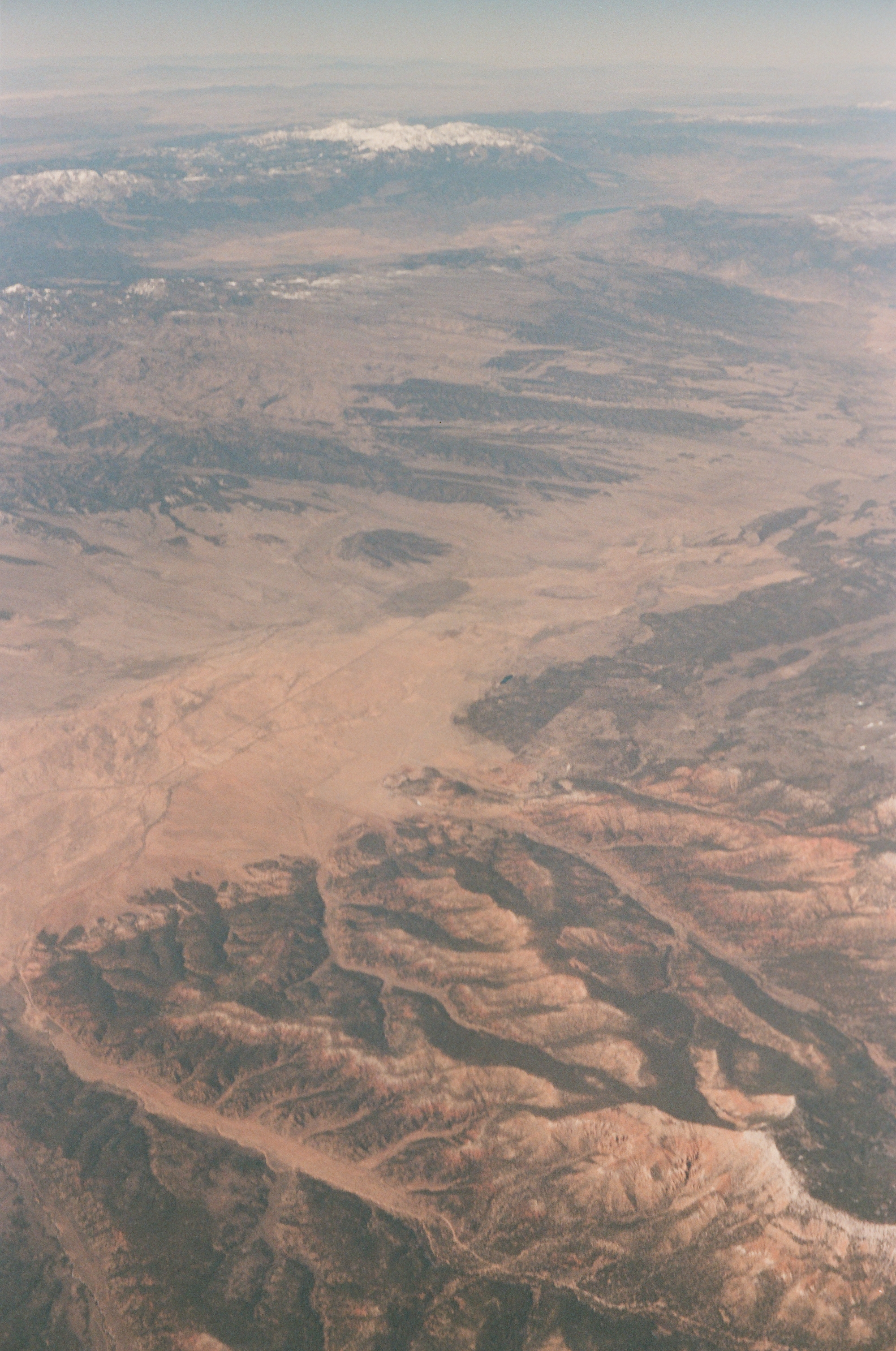
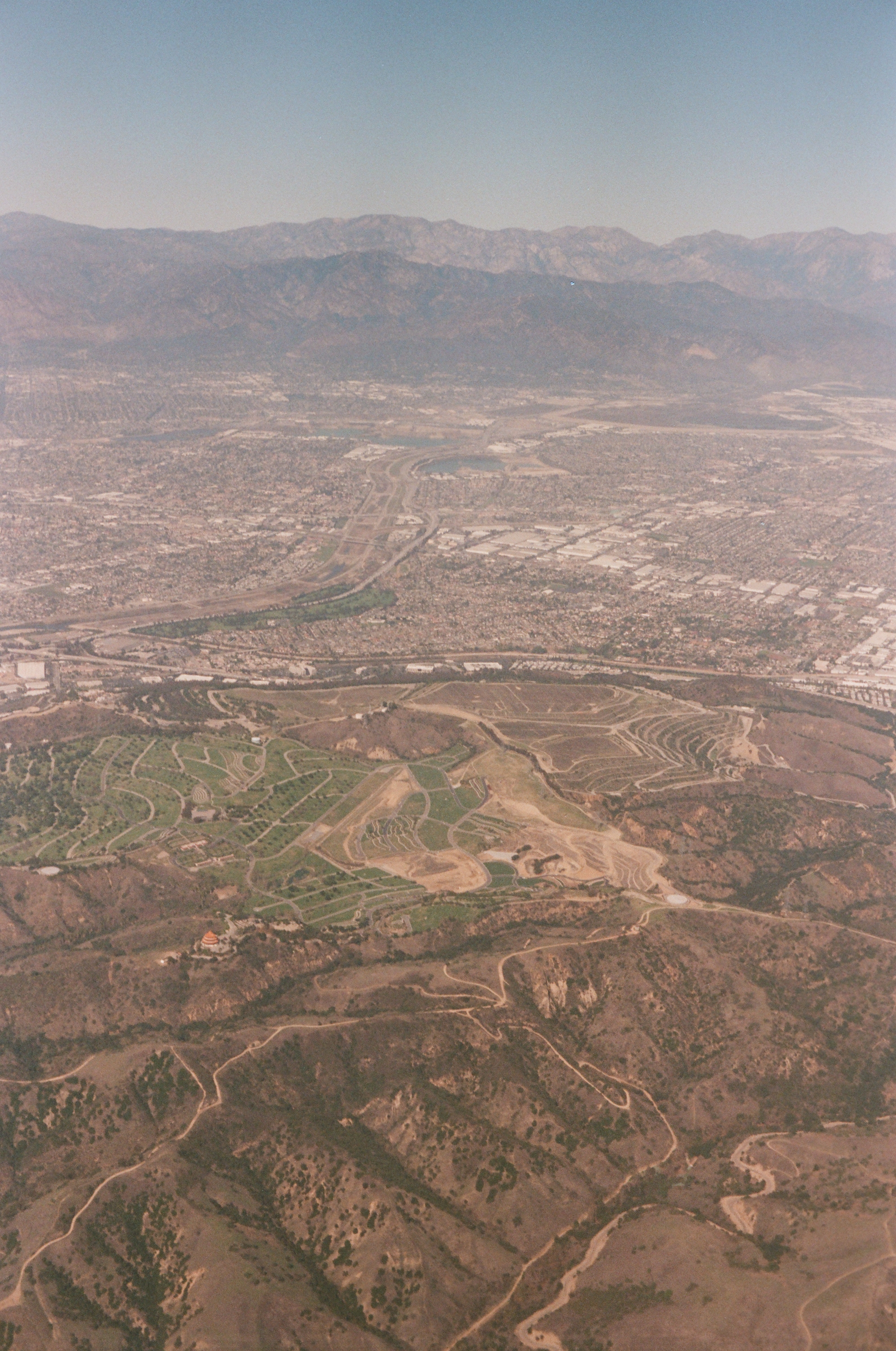
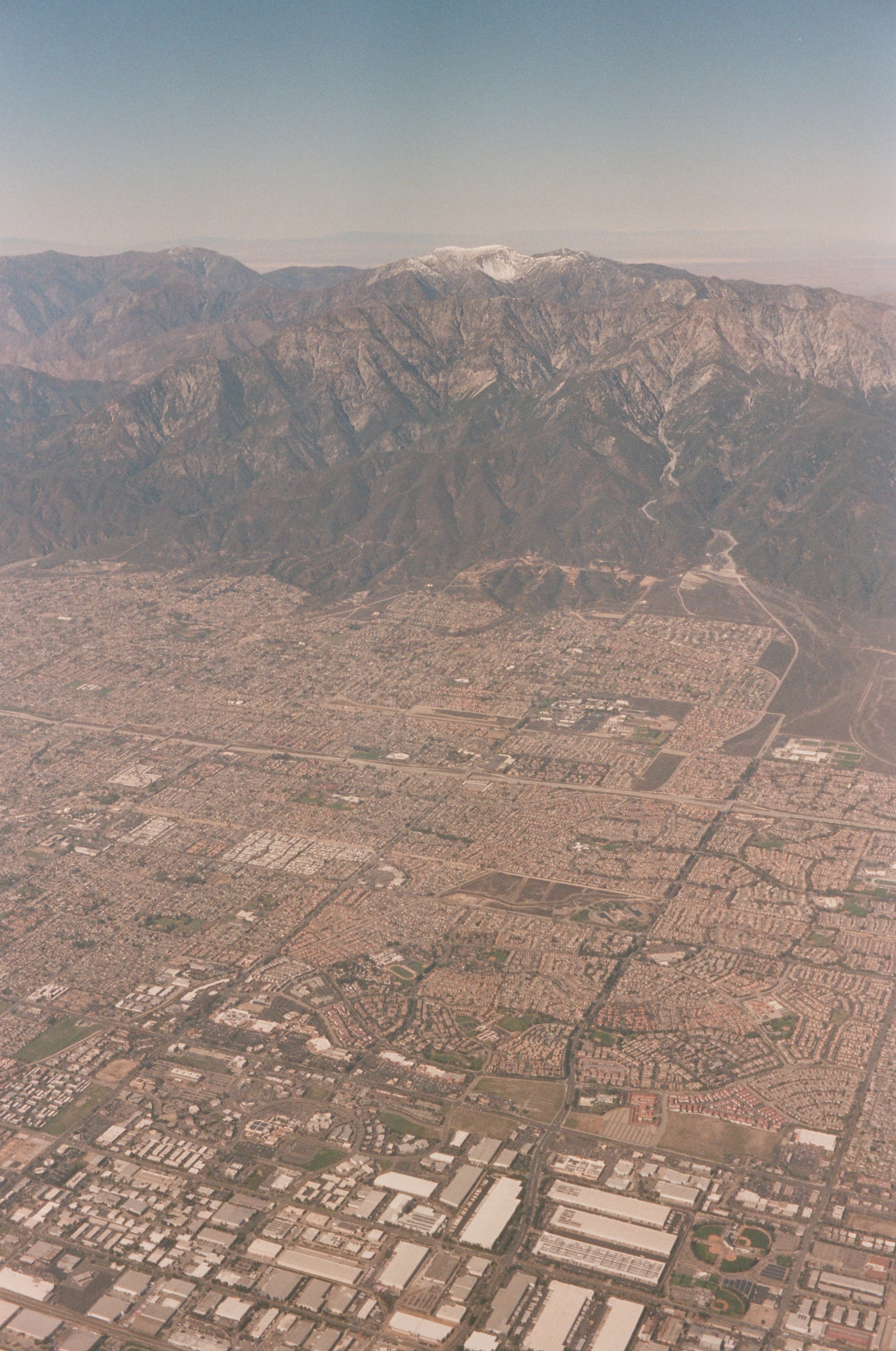

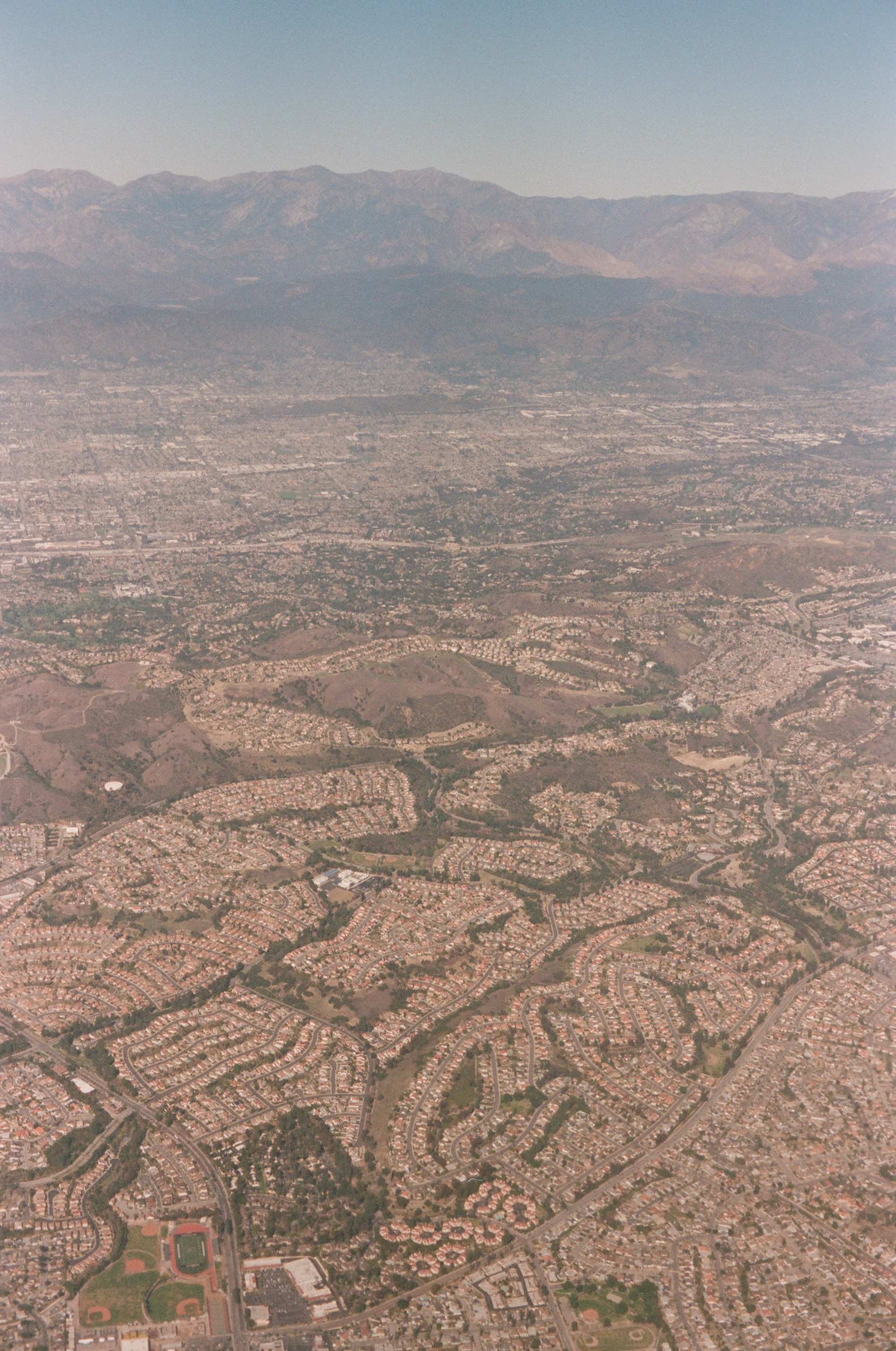
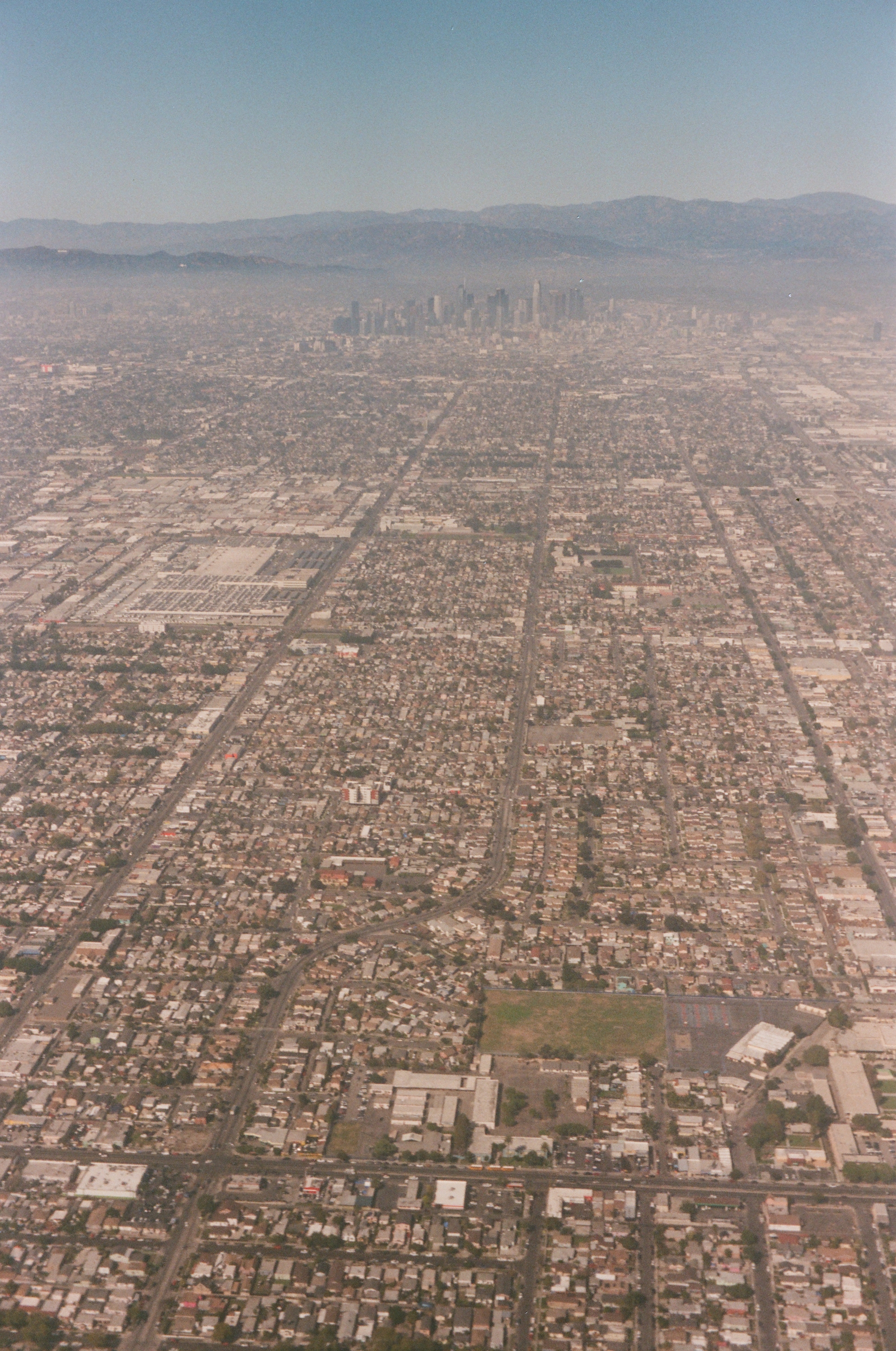
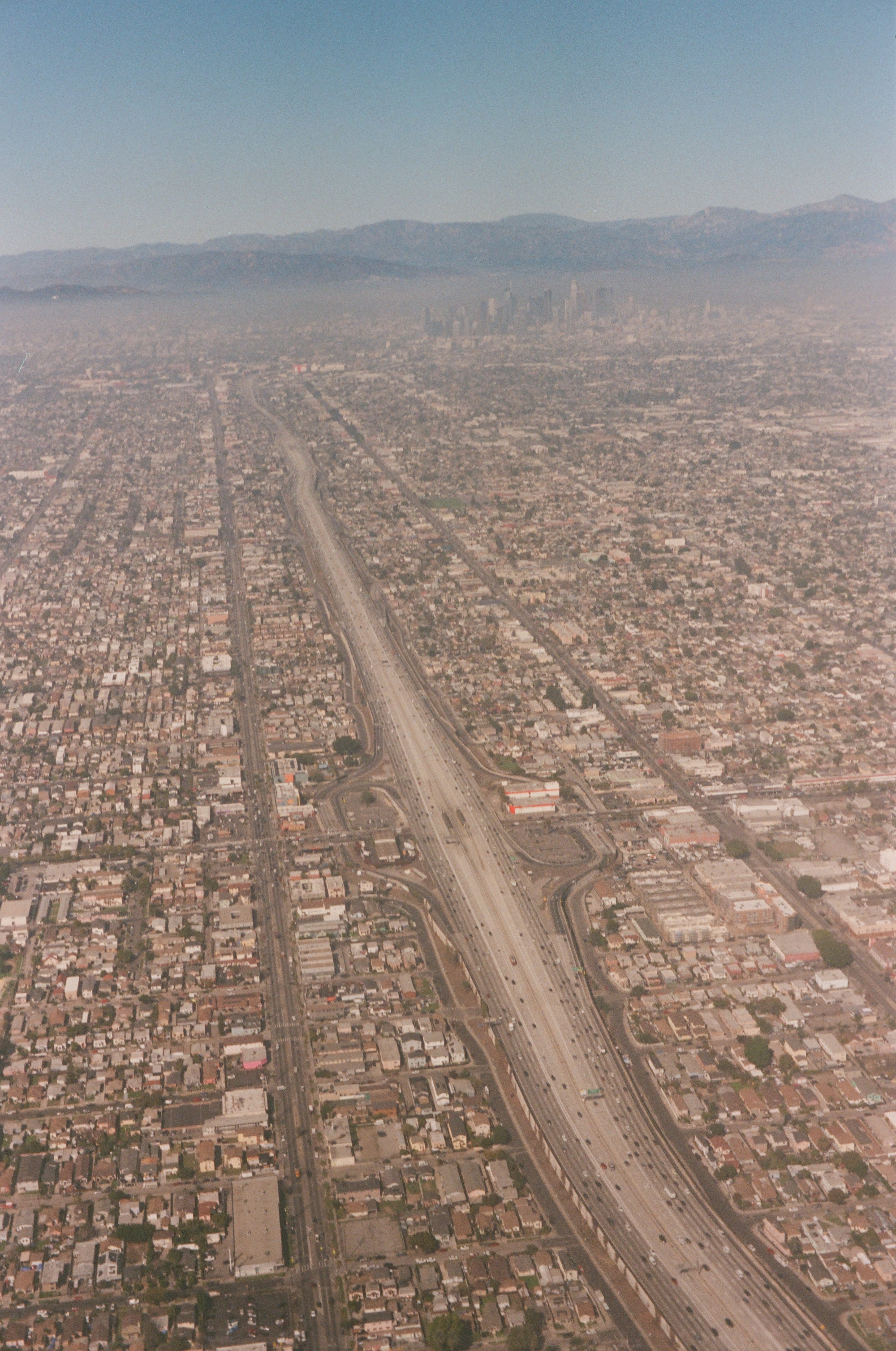
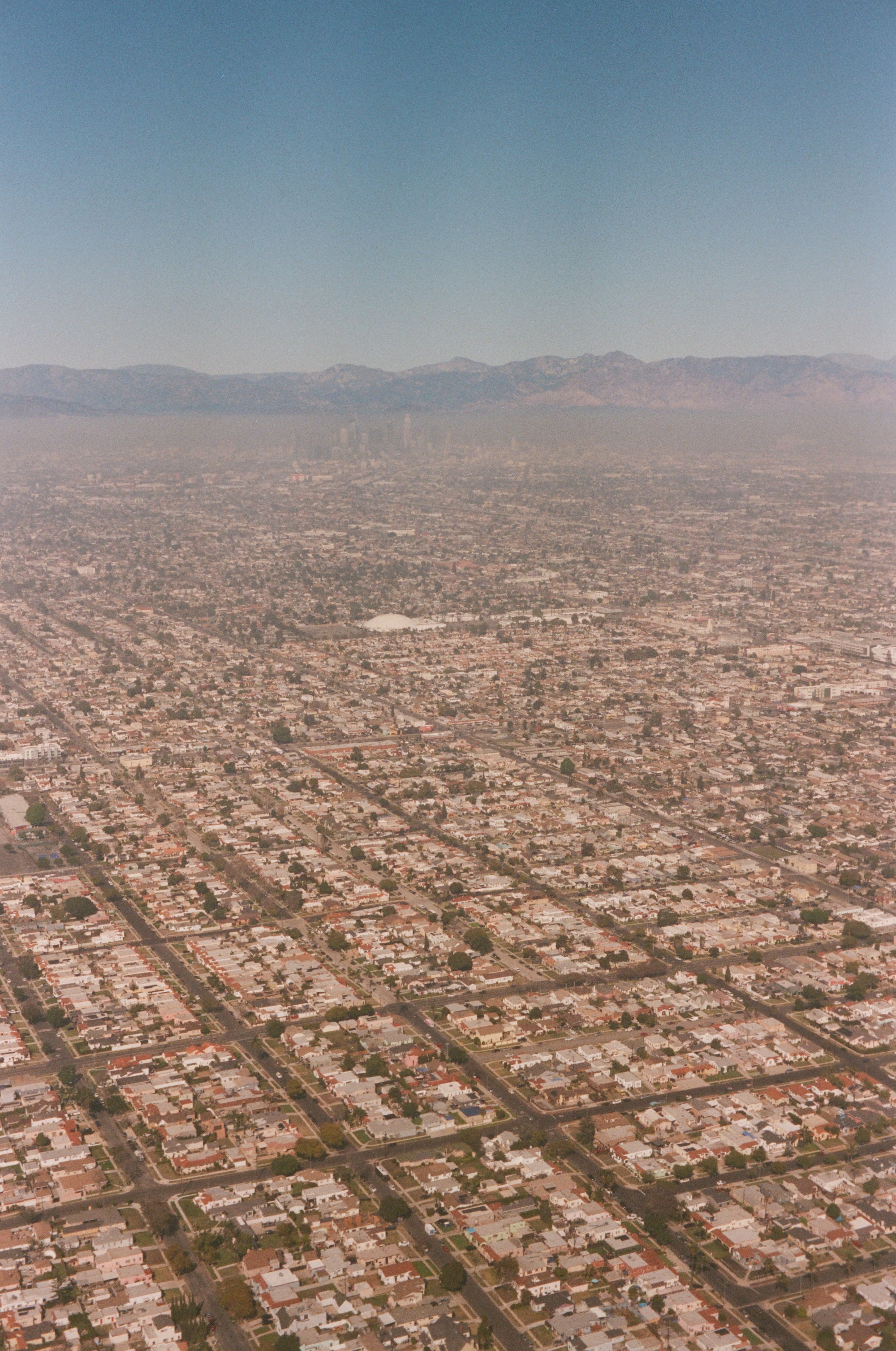
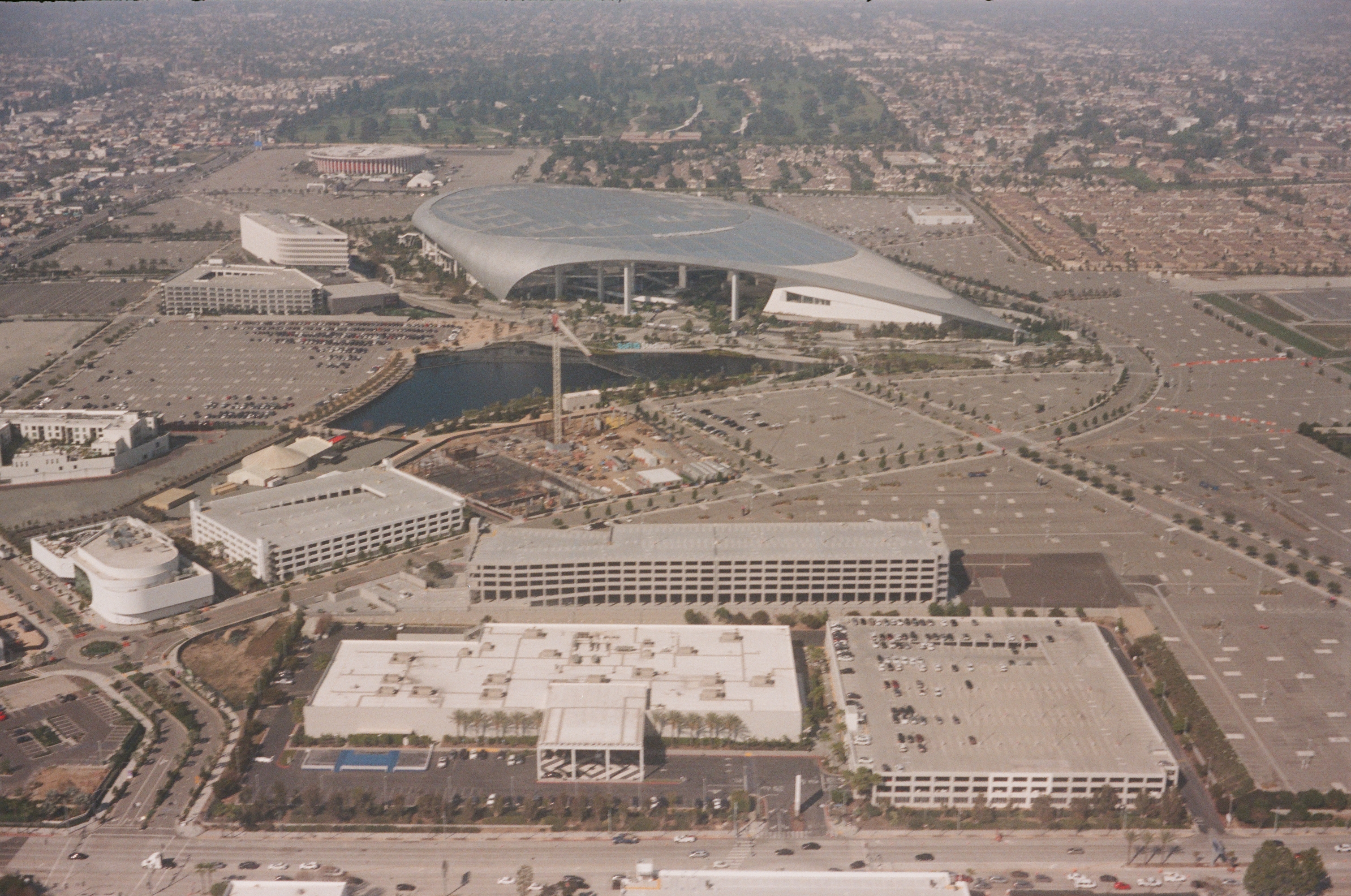
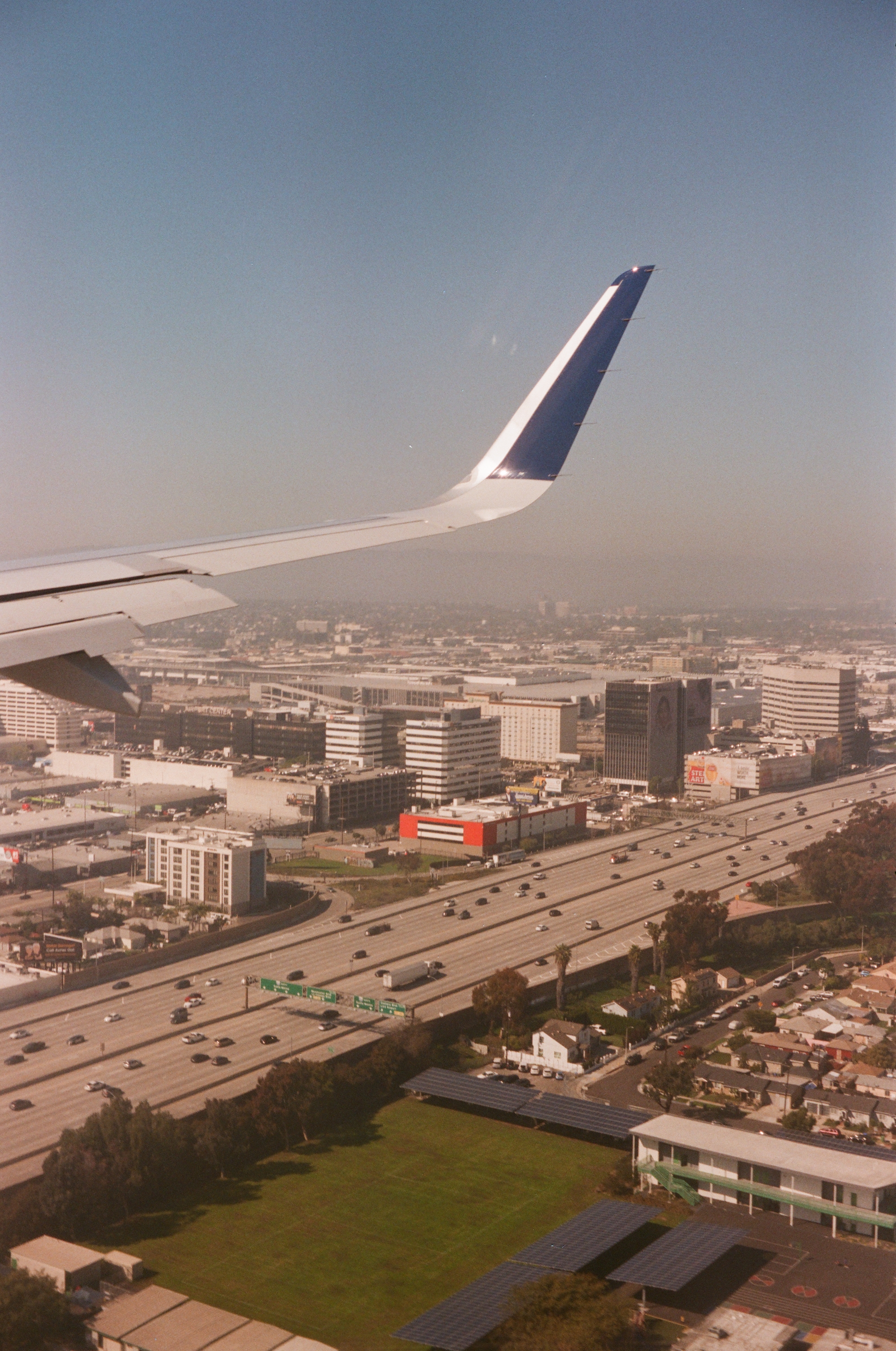
Was a Rollei 35B the right, or “best” camera for shooting landscapes across the USA through an airplane window? Maybe. Probably not. But it was one of two cameras I had with me, and I needed to test it. Also, a slower film speed might have given me more detail and less grain, but I think the results were pretty good! What do you think?
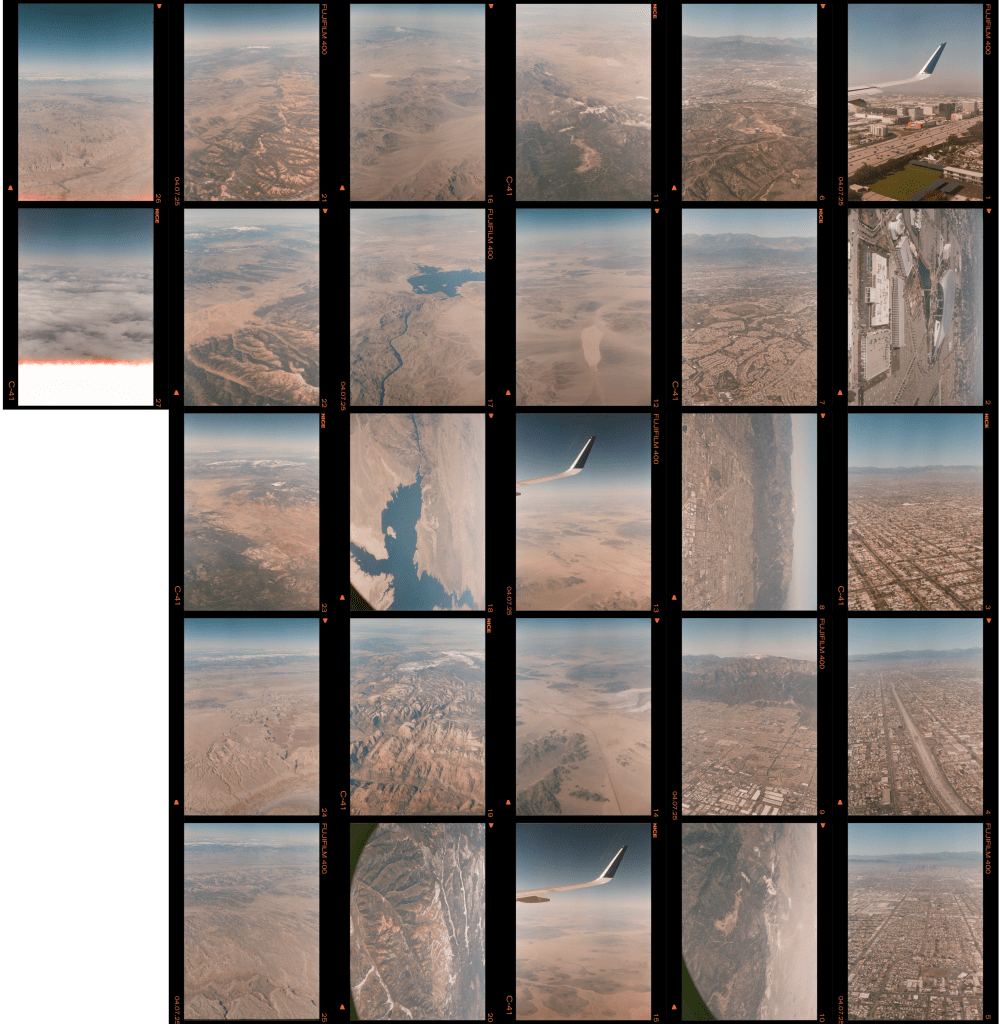
Contact Sheet
As you can see below, I squeezed 26 3/4 photos out of the 24-exposure roll of Fuji Superia! Sometimes the goddess of film smiles down on you…


 TEXOLUX
Leave a reply to Test: Rollei 35B Camera, Golden Hour at Venice Beach – TEXOLUX Cancel reply