
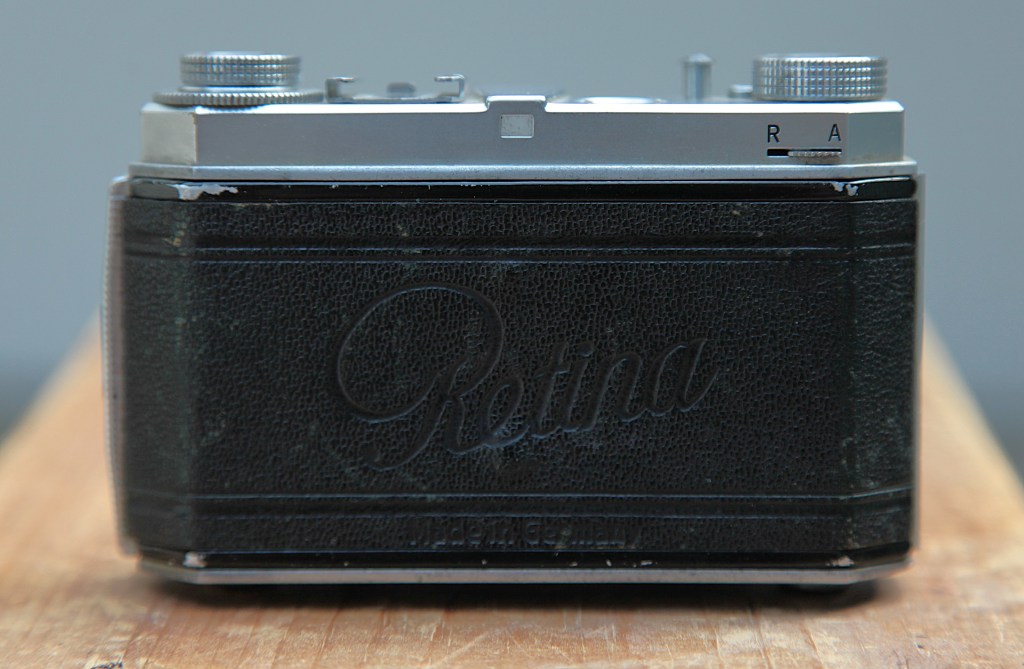
Generally, this post is about the Retina cameras made in Germany but distributed by Kodak, because it was verboten to openly sell German goods for a long while after the war. In fact, Kodak AG bought the factory in December 1931 from August Nagel of Zeiss Ikon fame, keeping it on the down low during and after WWII.
Of course, “Made in Germany” was imprinted on each Retina camera body, but seeing the KODAK name as well made them look and feel less German-made and more American, which was good marketing strategy at that time. Kodak Retina cameras were manufactured from 1934–1969 and are still revered today by photographers, engineers, and collectors.
As some boomers/Gen-Xers may have noticed, the title of this post plays on the lyric “She serves that smooth retsina“ from Steely Dan’s 1977 song “Home at Last”. It’s a reference to the weak Greek wine which is infused with and fortified by resin from Aleppo pine trees, giving it a turpentine-like flavor. I’ve had retsina a few times — there’s nothing “smooth” about it — if I recall correctly…
However — unlike the retsina beverage — Kodak Retina cameras were smooth indeed! They had solid metal bodies, sharp glass lenses, perfectly-engineered levers and knobs outside; smoothly-operating rollers and gears inside. Retina cameras were a creative and mechanical pleasure for any photographer to carry and shoot with, whether novice, enthusiast, or professional.
THE KODAK RETINA I / Type 13
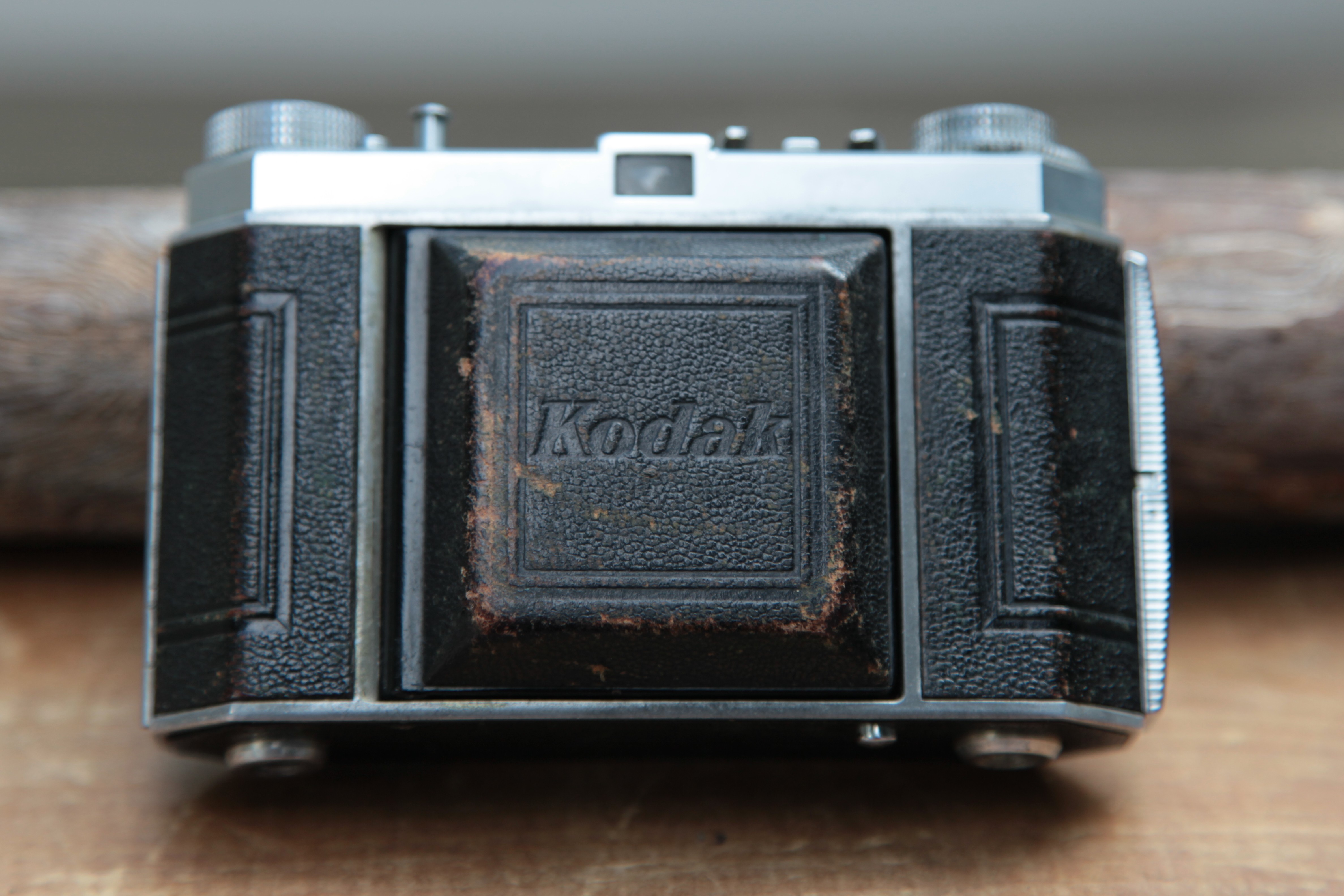
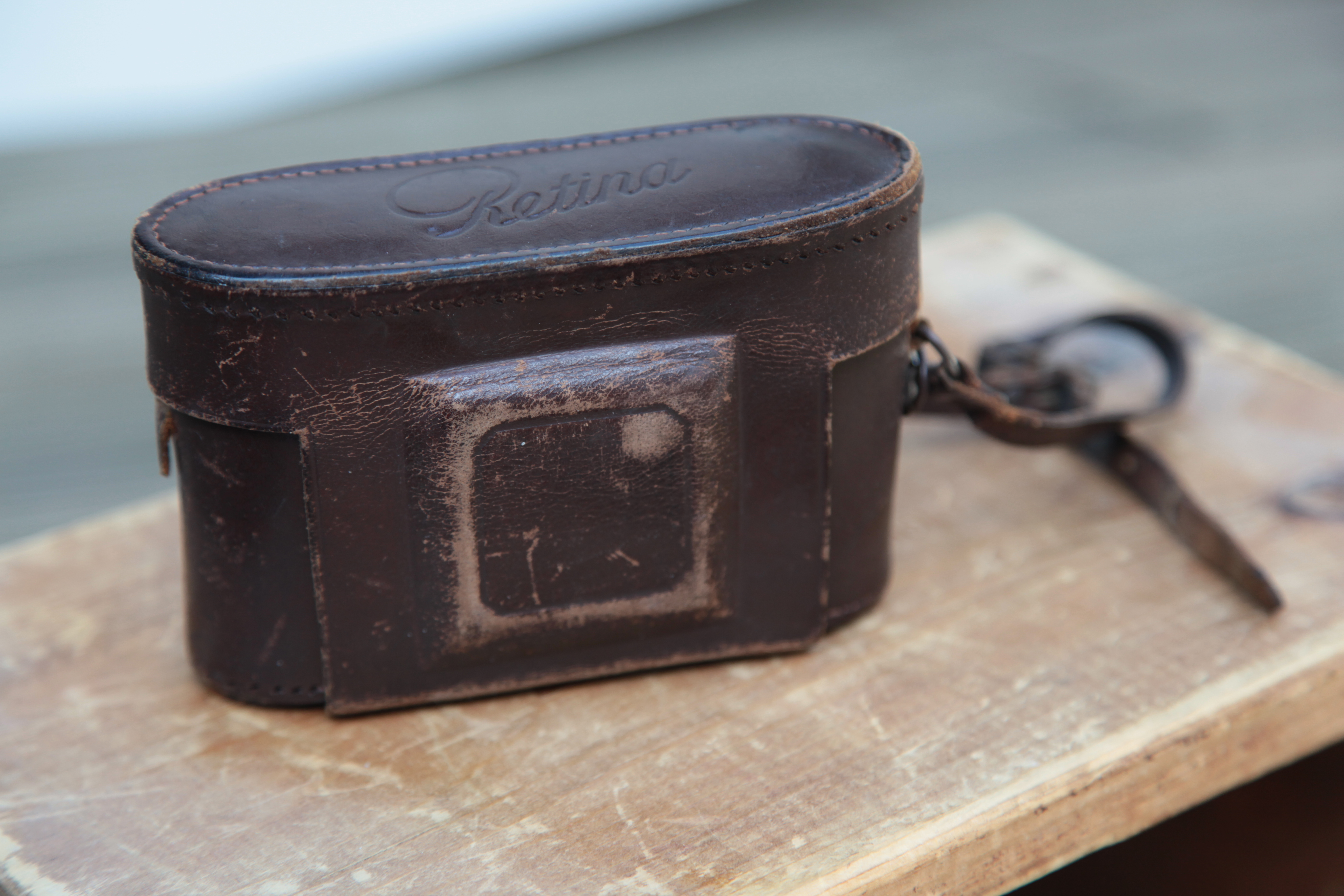
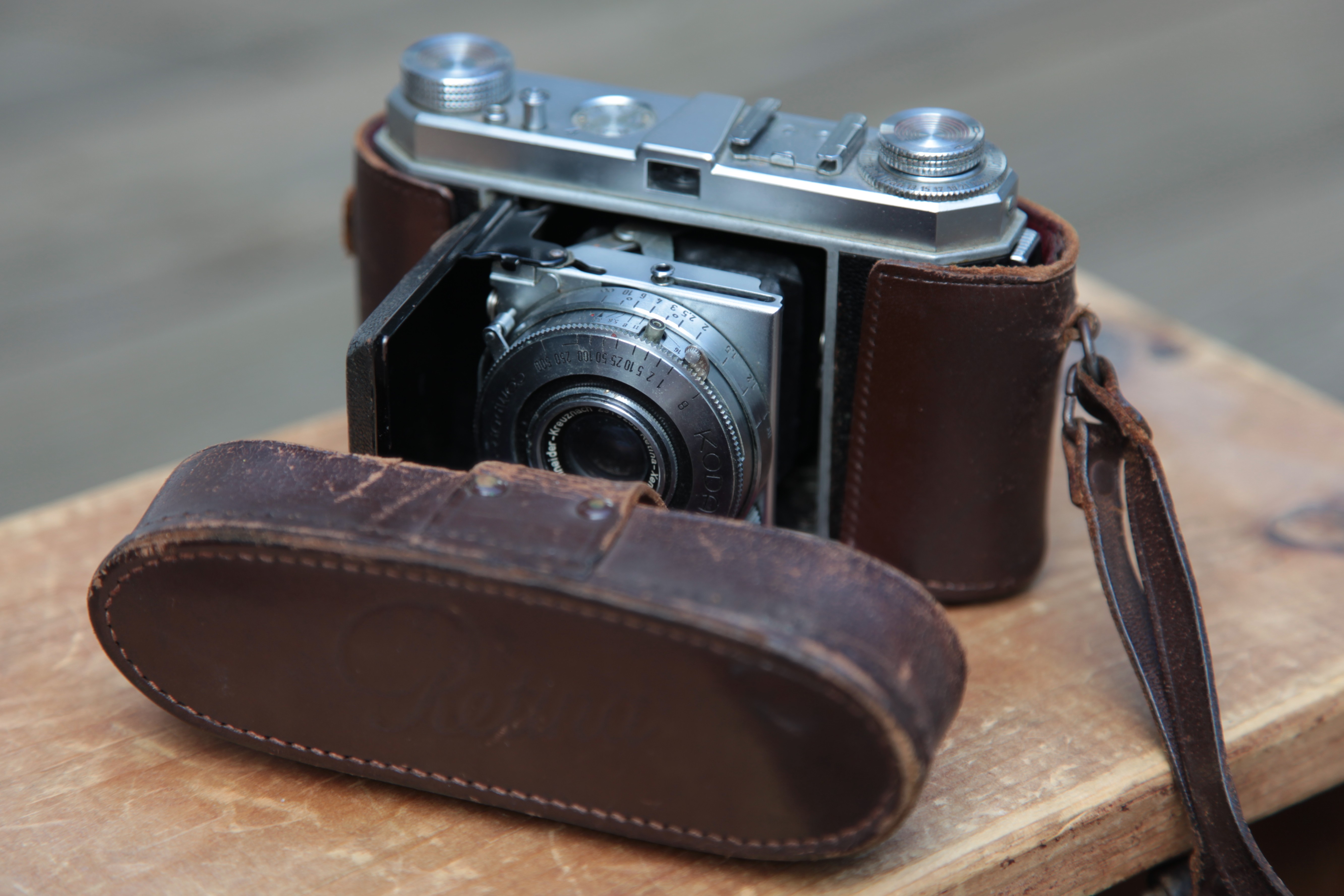
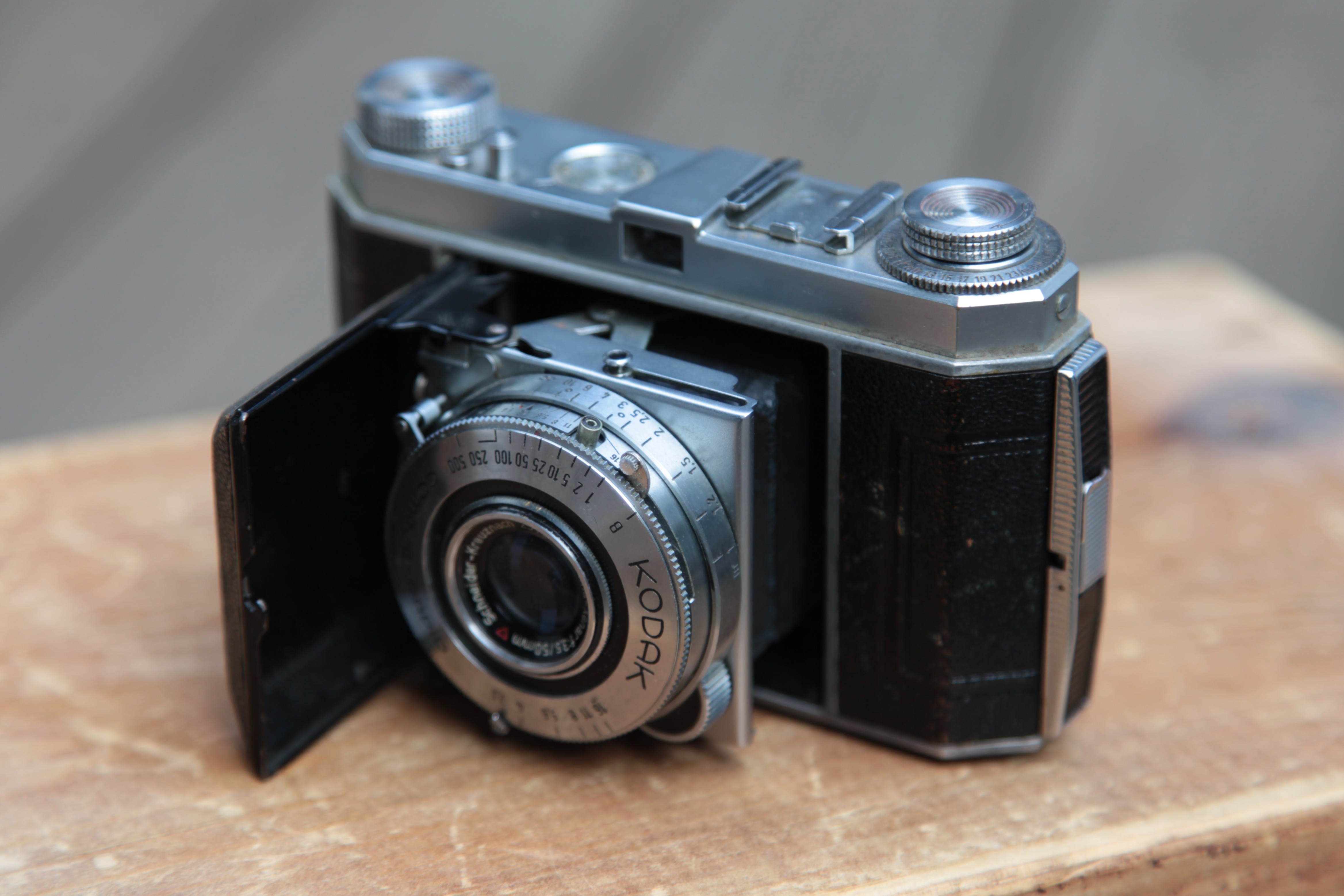
Specifically, this post is about the Kodak Retina I (type 013) 35mm folding camera (made in 1949–51) used by my German stepmother, who left her country as a teenager, married to a US soldier. The black-and-white photos (early 60’s) and glorious Kodachrome color slides (mid 60’s–early 70’s) that she shot with that camera captured many of my best childhood memories!
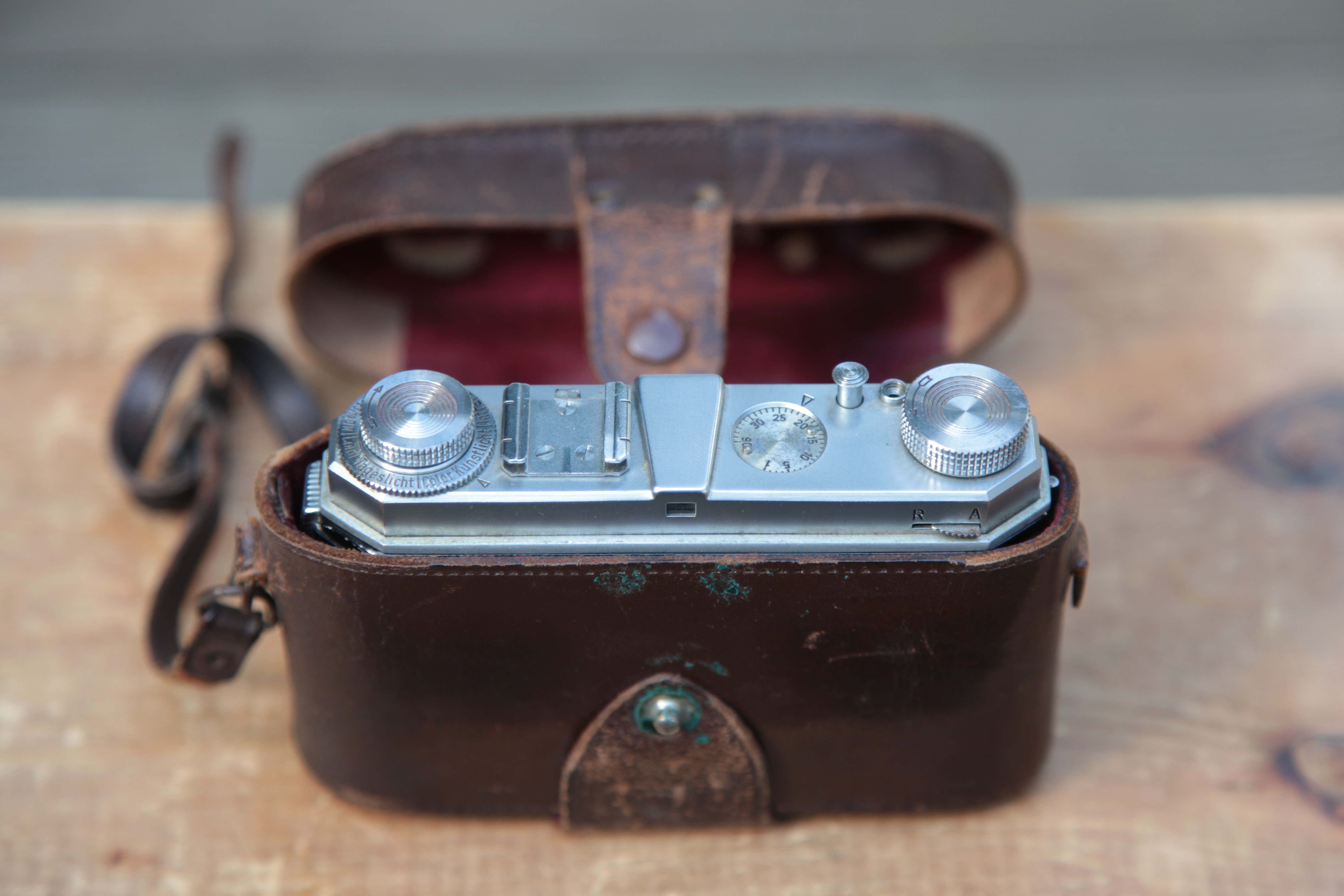
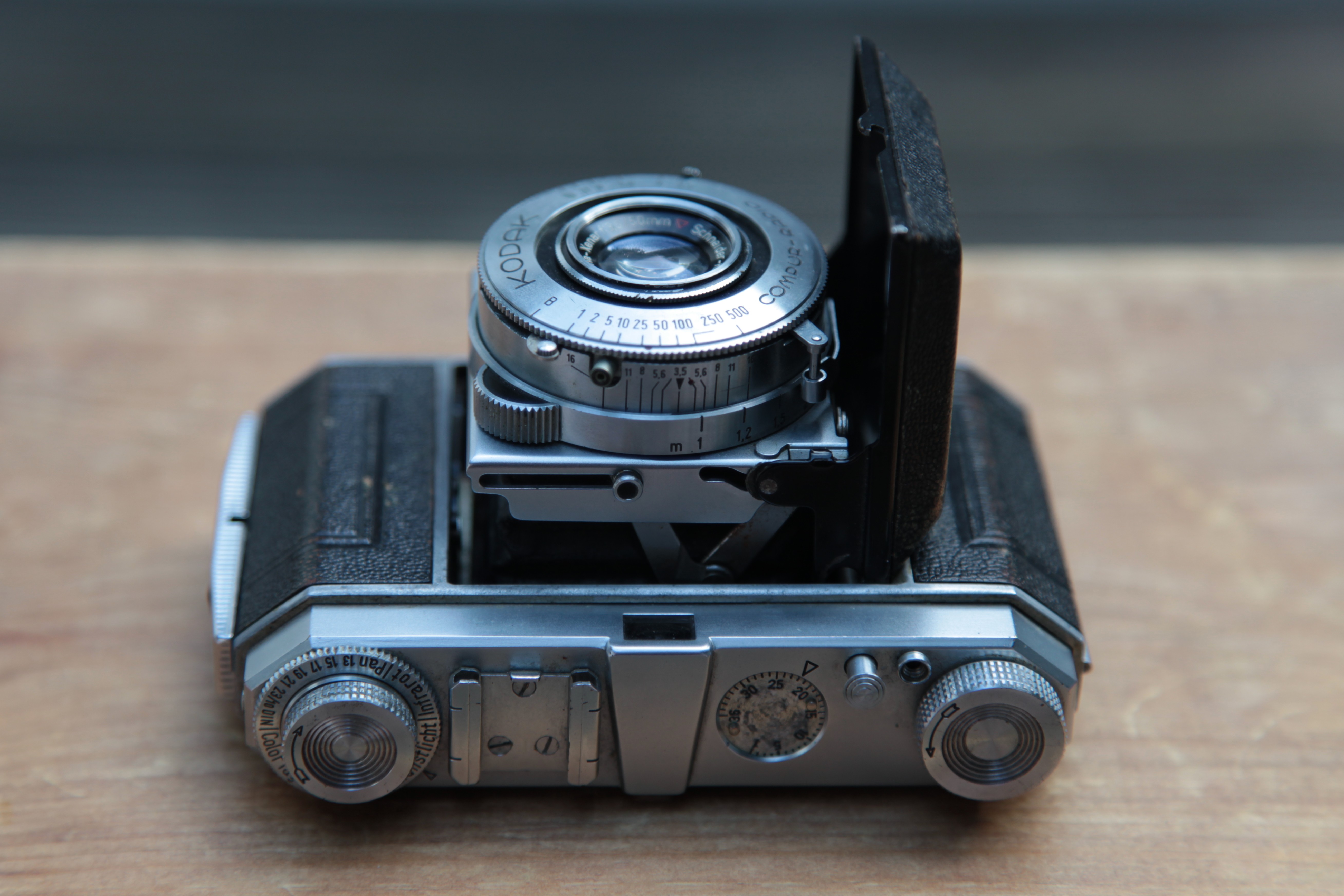
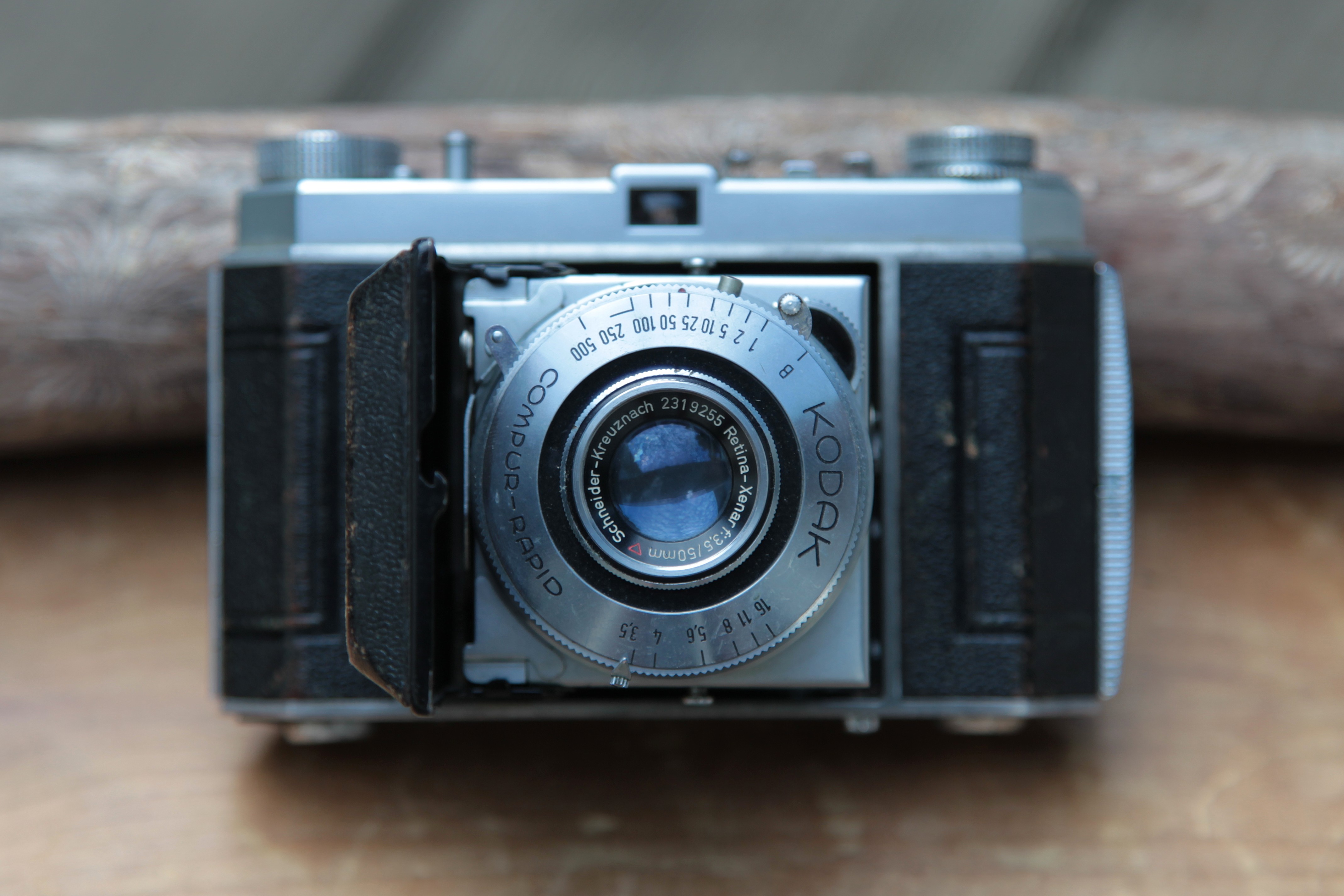
The Kodak Retina I/Type 13 is a small, almost pocketable camera when closed, popping open and unfolding to reveal a 3-pleat bellows and metal lens-board, with a 50mm f3.5 Schneider-Kreuznach Retina-Xenar lens affixed to it. Key specs and settings on this camera:
- Shutter speeds: B(ulb) to 1/500th of a second
- Lens Aperture: Range f3.5 — f16
- Film Type/Speed Settings — a dial on top left (from photographer’s POV) offers basic shooting modes and DIN settings for film:
- Color Tageslicht (daylight)
- Color Kunstlicht (artificial light)
- Infrarot (you can figure that one out)
- And a Pan-DIN range I had to research to set the camera correctly for my test roll of film…
- Exposure Counter Dial: manually set to 1 when film is loaded, after which it count up to 36 as you advance the film after each exposure.
- The “Clutch” — Rewind/Advance switch.
- This Kodak Retina (like Zeiss Ikon before it) offers two clever mechanical protections:
- The shutter release will not work when there is no film in the camera.
- Focus on the lens must be set to “infinity” or the camera will not close.
THE CAMERA: Retina I / Type 13

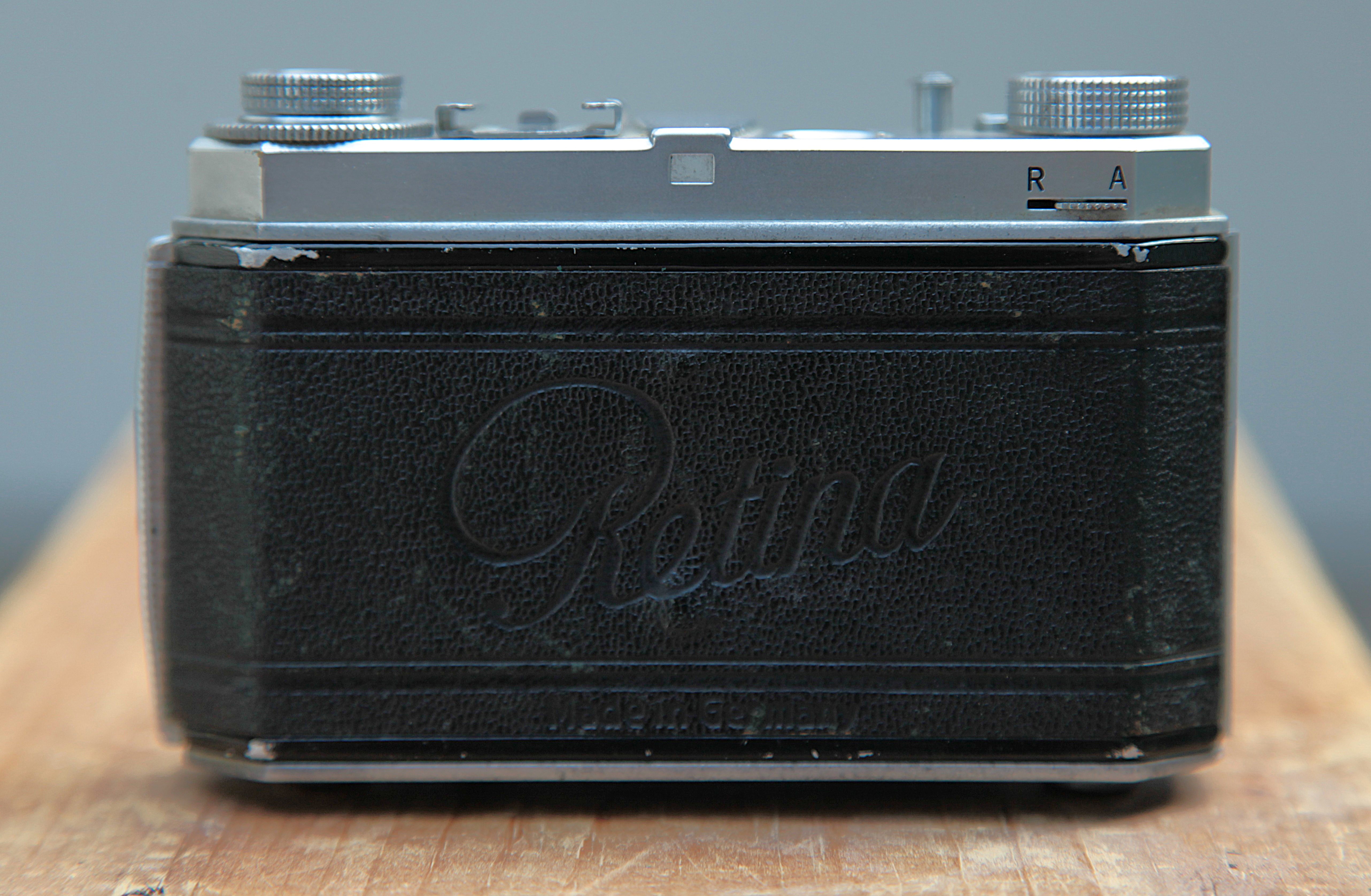
TEST PHOTOS 1: Retina I / Type 13
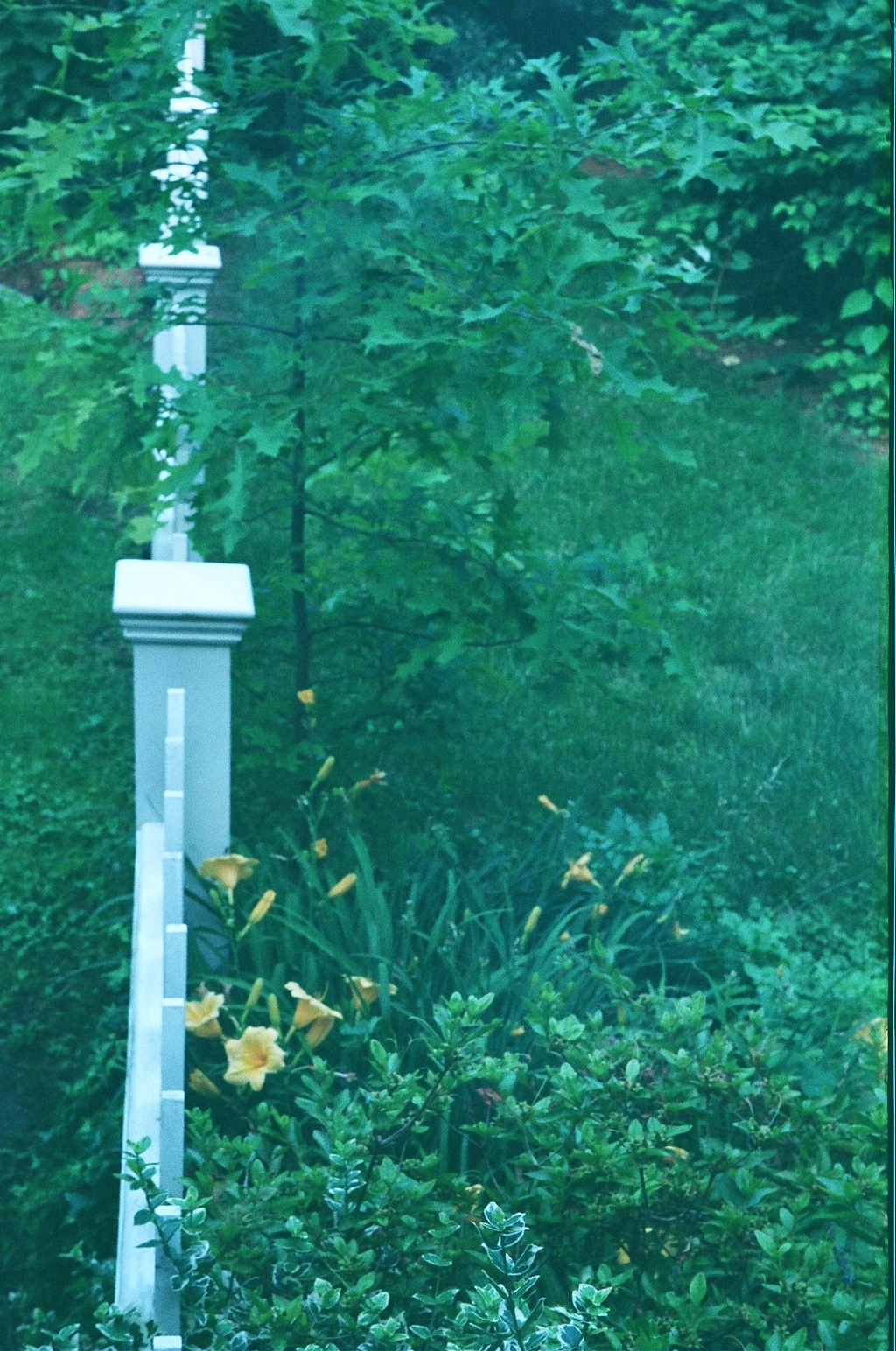
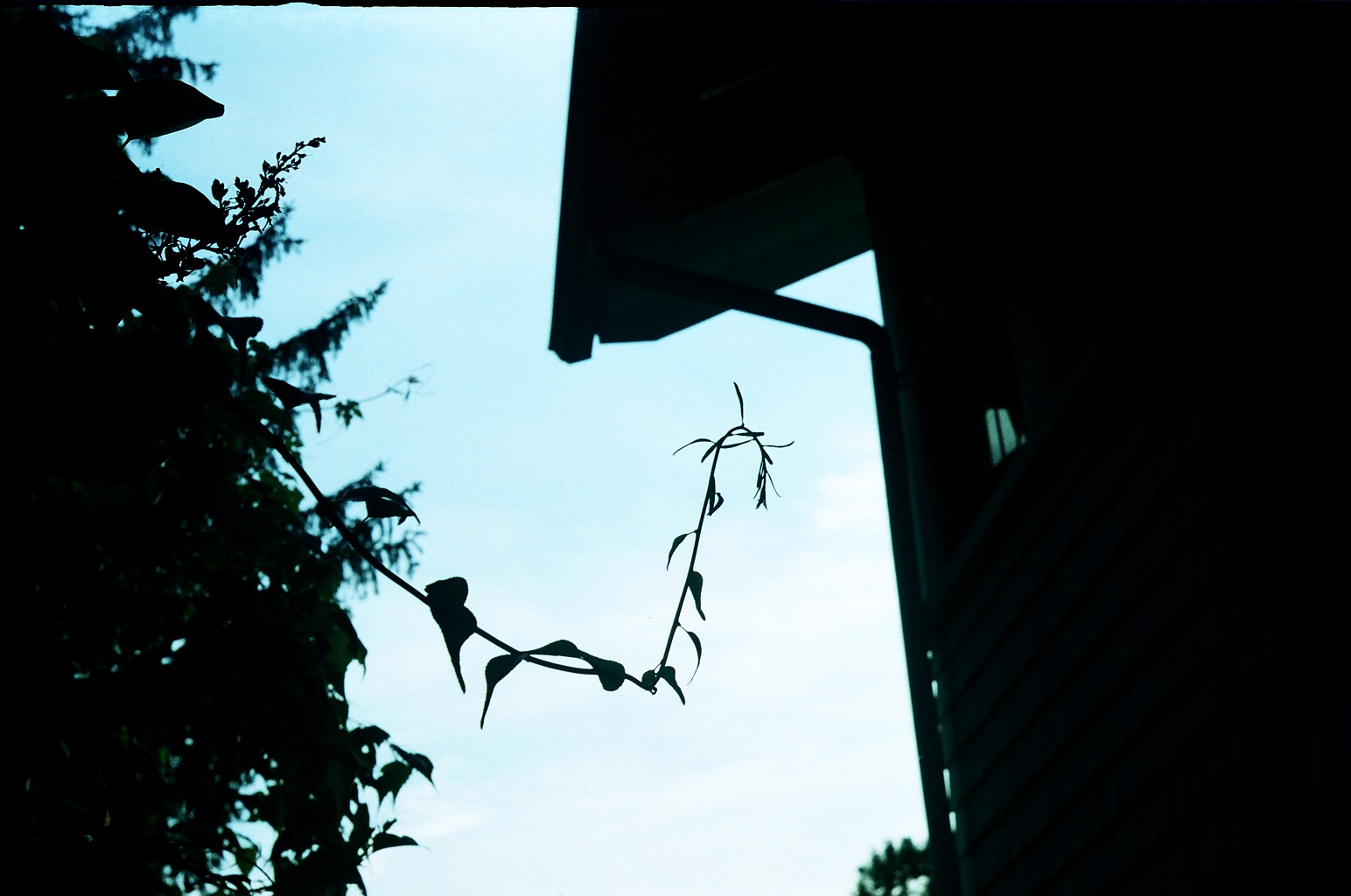
in July 2011, after rediscovering my mom’s camera in the box where I put it after she died, I decided to shoot a test roll of expired 35mm film to see if it still worked after being unused since the mid-70’s.
The Kodak Retina I/013 is a manual-mechanical 35mm viewfinder camera, with limited exposure options, few film speed choices, and only “zone focus” settings on the lens. The tiny viewfinder window had no framing guide or rangefinder focus assist, so it was only useful to roughly compose each photograph. Having been out of practice I did not have very high hopes for the results…
What I discovered and learned from shooting one test roll of expired 35mm film in my mom’s old Kodak Retina:
- The camera still worked without being used or maintained in nearly 40 years!
- My zone focusing skills need a lot of work, especially since the camera only had metric markings.
- Shooting at the maximum aperture of f3.5 gave shallower-than-expected depth-of-field — even creating a wee bit of bokeh on the OOF (out-of-focus) wine glasses — making zone-focusing even more critical.
- The need to cock the shutter for each exposure (like a large-format camera) was maddening to me, causing me to fumble nearly every capture on the roll.
- I’ll need a lot of practice to get smooth with that extra step of cocking the shutter, if I ever use the camera to shoot candid, street-photography…




TEST PHOTOS #2: Retina I / Type 13
Nearly 14 years later (April 2025), I gazed at my stepmom’s old camera on the shelf where it is lovingly displayed, and was possessed by an urge to shoot with it again. Knowing my failings in the first test back in 2011, I was committed to trying to take better photos this time around. I decided to shoot black and white film with a higher ASA speed, use a smaller lens aperture for greater depth-of-field (more forgiving), and try to improve my metric zone-focusing skills… Here are the results:
*Will upload when the scans are done!*
TEST VIDEO: Retina I / Type 13
*Will upload when the edits are done!*
OTHER KODAK RETINAS
*Will update with new photos this week!*
ONE RETINA IS NOT FOR SALE
Since 2018, Texolux has discovered and purchased many Kodak Retinas, gradually growing our inventory of these superb cameras. With the May 2025 launch of our new Shopify online store, we will be offering all but one of them for sale. If you read this Retina-admiration post from the top, you can probably guess which one of our smooth Kodak Retina cameras will never be sold… ❤


 TEXOLUX
Leave a reply to Test: Minox 35 GT mini-35mm Camera – TEXOLUX Cancel reply